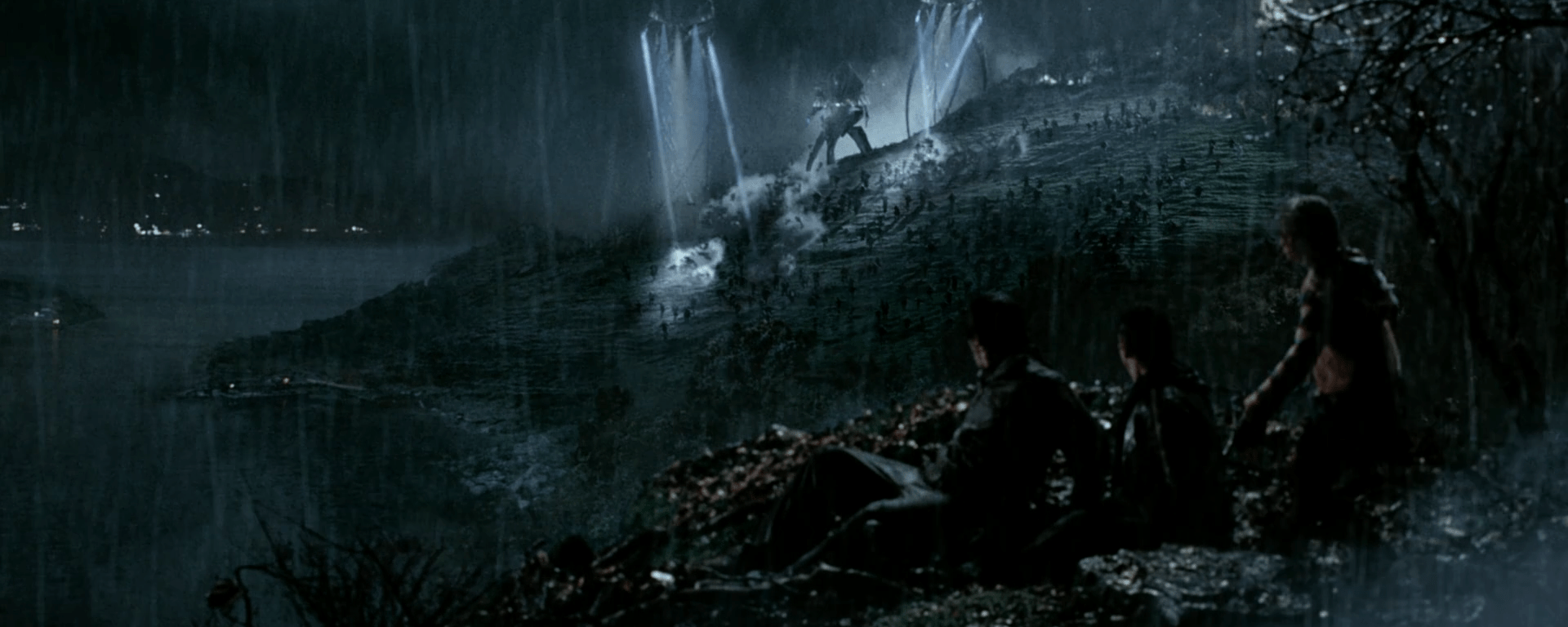
When looking back on films of the early to mid-2000s, Steven Spielberg’s War of the Worlds tends to get lost in the shuffle. An unusually dark outing for the iconic director, War of the Worlds did make a killing at the box office, but like many Blockbusters of the era, interest was quickly followed by ridicule, and the film has since been regarded as one of the director’s lesser efforts. Almost twenty years later, the film seems to have been condemned to the fate of a forgotten Blockbuster, successful on release, but rarely revisited in the years to come. I must admit to sharing these views on the film myself upon its release. Not being a fan of Cruise and being surrounded by parodies of the film that flooded the market in 2005 didn’t exactly bolster my opinion. My recent choice to rewatch the film came from boredom and morbid curiosity about a movie I hadn’t seen for the better part of twenty years. So I hit play and let the movie roll.
What followed was a revelation. I wasn’t expecting much on a re-watch, and ended up experiencing one of the most uniquely horrifying films of Spielberg’s career.
War of the Worlds tells the story of Ray (Tom Cruise), an apathetic and divorced father of two who is looking after his teenage son Robbie (Justin Chatwin) and young daughter Rachel (Dakota Fanning) over the weekend. Things quickly descend into chaos when the family is caught in an unexpected alien invasion, sending them on a cross-country flight to escape an army of extraterrestrial machines on a march to exterminate the human race. The film was a box office hit, grossing some 600 million dollars against a budget of 130 million, and was well regarded by critics upon its release.
Spielberg has always been an easy target when it comes to film criticism. It can be easy to dismiss his work as overly sentimental, that focuses too much on wonder and whimsy, and are naive and childish, etc. Of course, such criticisms, usually from the same brand of cinematic gatekeeper, fail to really look at the wide appeal of Spielberg’s films to see the genuine artistry behind them. Even upon its release, it wasn’t hard for me to see the many ways Spielberg pays homage to cinema as an art form. With this film, Spielberg not only re-adapts Wells’ story, but pays tribute to one of the titans of science fiction cinema.
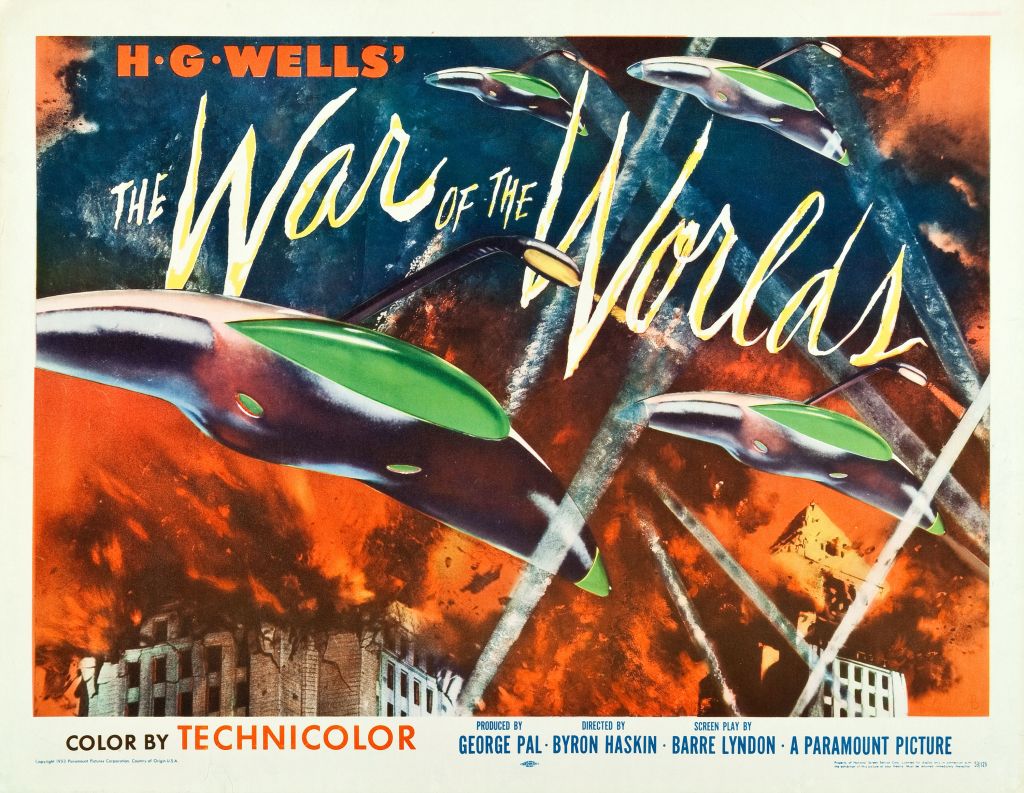
The adaptation of H.G. Wells’ story from 1953 is a seminal work of 50s science fiction cinema. One of the first mega-budget films in the genre, the movie is overflowing with iconic images, memorable set pieces, and some effects work that even by today’s standards isn’t half bad. Needless to say, Spielberg was heavily influenced by this original classic, and inserts numerous references in his own film. Sequences like an electronic eye searching a house and a dying alien’s hand grasping for life are given nice direct references, and Spielberg even gives original leading actors Gene Barry and Ann Robinson cameos as the grandparents of Ray’s children.
Even when it comes to these references, Spielberg shows a nice blend of wit and sadism. The sequence with the electronic eye is nicely updated from the original, following the characters in a tense game of cat and mouse as they constantly move throughout the basement in a desperate attempt to avoid the camera’s prying eye. As a fan of the original, it was a joy to see the electronic eye return and even better to see it used in such a creative way. But despite tips of the hat such as this, Spielberg goes beyond just retelling the story, putting his own spin on it that takes it out of Wells’ story and allows it to shine on its own.
This mainly comes from the film’s point of view. The original story and most of its adaptations follow characters in the military and scientific community as they try to combat the invaders, giving us an inside look at mankind’s battle for survival. Films like this like Independence Day for example took similar approaches in giving us an upfront and inside view of humanity’s fight for survival. The 2005 film takes a different approach, instead showing Ray and his kids simply trying to escape. There is a larger story here of military powers and scientists trying to fight the invasion, but it’s something we as an audience don’t really see. Aside from other survivors like journalists and soldiers filling in some of the gaps, we are just as in the dark as Ray and his kids are the entire time. Doing so creates a tone as desperate as it is disorienting, as we follow this helpless family on a cross-country flight with survival as the only goal.
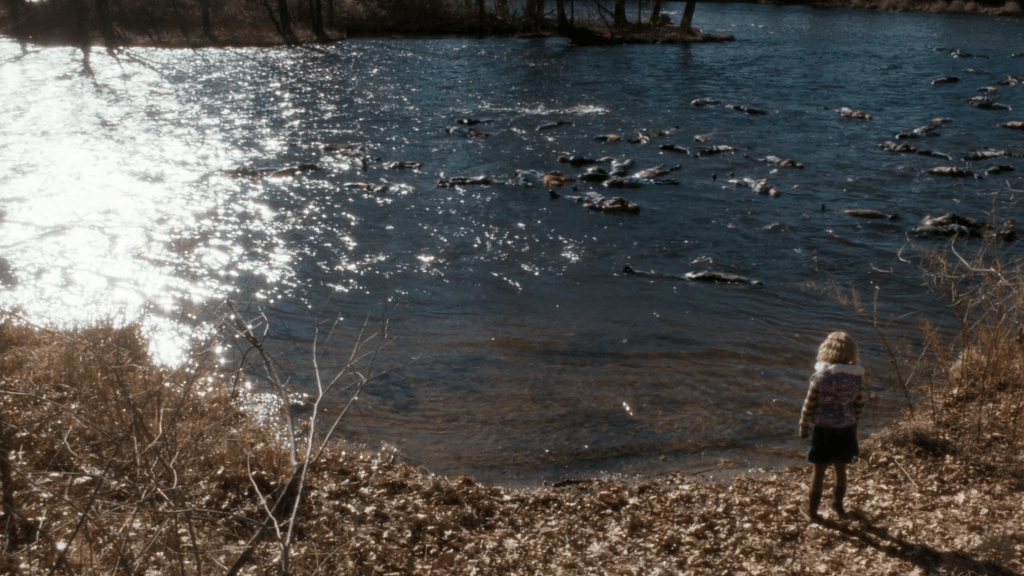
One of the things that shocked me upon a re-watch was just how horrific the imagery in the film is. Spielberg has always been an easy target when it comes to film criticism, and one of the common criticisms is that he pulls his punches. Despite this, he manages to fill War of the Worlds with scenes that range from subtle and haunting to in-your-face nightmarish. The appearance of the first tripod alone is a surreal experience, and establishes a recurring visual motif of clothing raining from the sky, all that’s left of recently vaporized victims. A train blasting through a crossing consumed in flames, Rachel stumbling upon a river of corpses, the film may not be gory, but that doesn’t mean it’s not grim. Perhaps most horrific of all is the attack on a ferry, my personal favorite sequence from the film where Ray and his family witness several cars falling into the river, their passengers struggling to get out as the cabs fill with water. Of course, none of this would matter much if the story wasn’t very good. So what is War of the Worlds about?
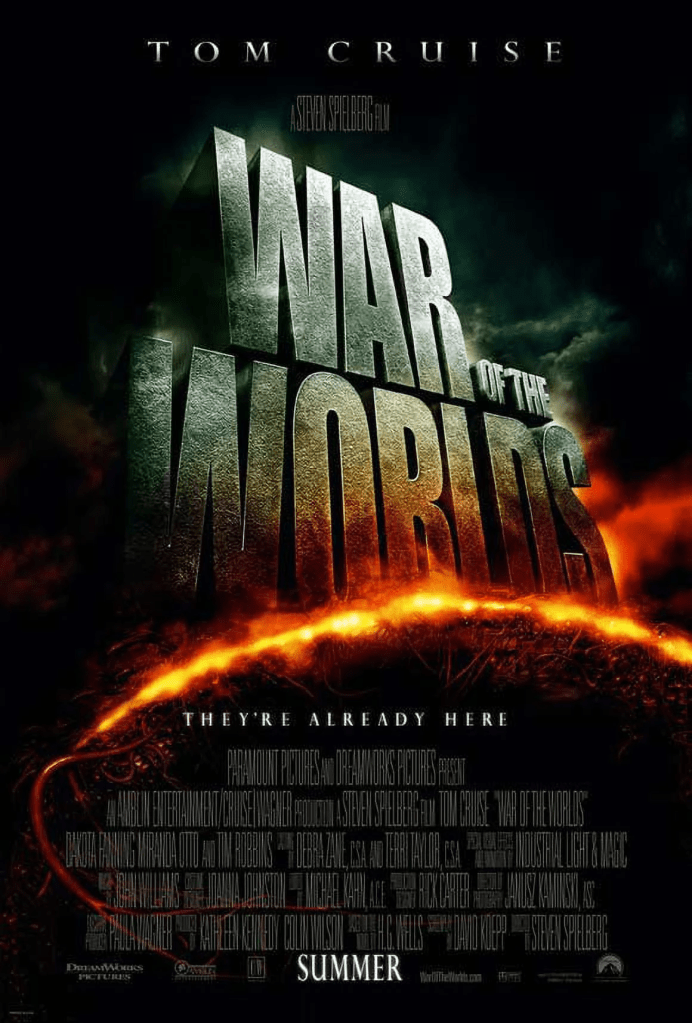
Tom Cruise was at the height of his popularity in the early 2000s, and War of the Worlds was the second of two collaborations between him and Spielberg, the first being the critically acclaimed Minority Report. As is often the case with a major star, it can be hard to watch a movie and not see the actor. So when I started re-watching the film, I expected the usual from a Hollywood star vehicle. Instead, I realized something that not a lot of people picked up on when the film was first released. Ray is an asshole and a terrible father. And that’s the key to the movie. It’s less about an alien invasion, and more about an abusive father’s transformation while navigating it.
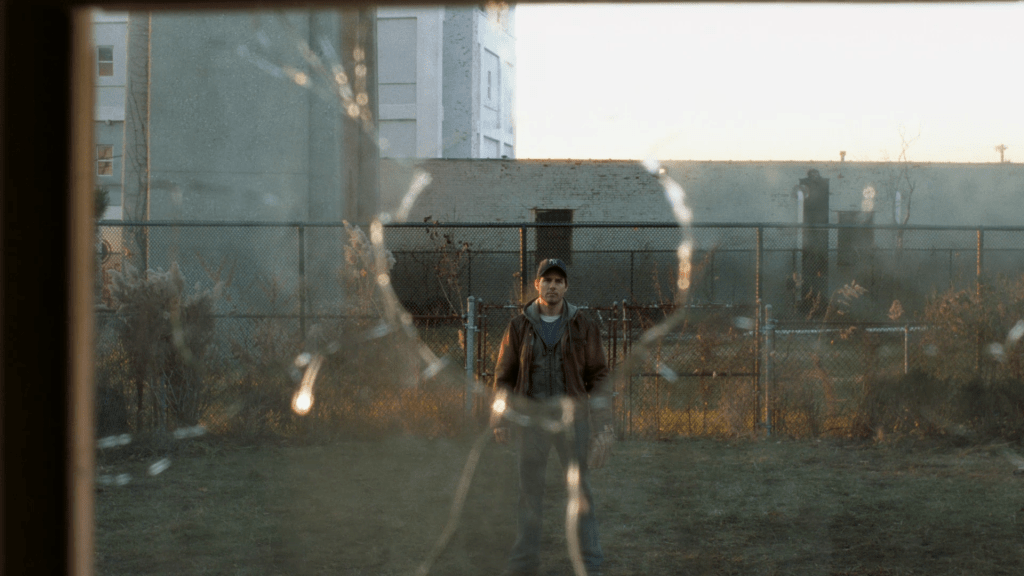
When the film begins, Ray is a passive-aggressive jerk who shows little regard for his kids. Scenes before the invasion lack any warmth, instead coming across as uncomfortable and tense. This is most evident in a scene where Ray demands Robbie play fetch with him, sparking a fight that ends with Ray calling his son a ‘dick’ and hurling a baseball at his head so hard that it shatters a nearby window. When Rachel tries to offer advice on how to bond with her brother, Ray instead belittles her before leaving the two so he can relax. Given Ray’s treatment of his kids, it’s no wonder that Rachel has such problems with anxiety and why Robbie has no respect for him.
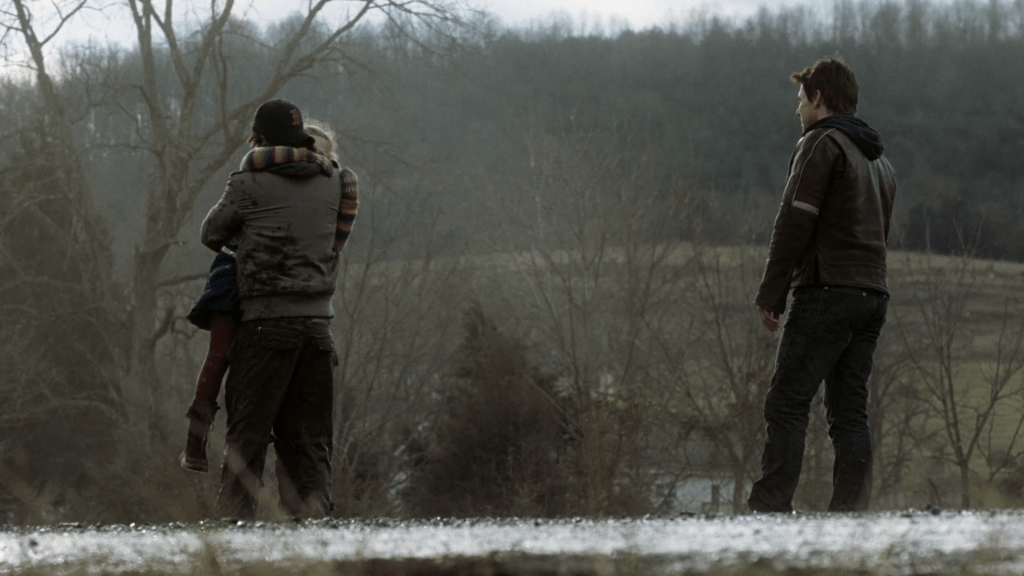
The crisis only deepens the rifts between the family. Once the invasion begins, Ray quickly descends into panic. It’s Robbie rather than Ray who is able to calm Rachel during an anxiety attack, with Ray’s outbursts only serving to frighten her further. This is in sharp contrast to an earlier scene where when Ray panics, Rachel asks him if he’s okay, granting far more consideration than he does for her. These tensions finally boil over when Robbie, angered by the destruction of his hometown, tries to join a military convoy to fight back against the invaders. This results in a spat where Robbie finally admonishes his father’s lack of caring. This is further confirmed when Rachel asks who will take care of her when Robbie leaves. Neither Robbie nor Rachel trust their father to do the right thing, and Rachel trusts her brother more than her dad. Re-watching the earlier scenes, it’s not hard to see why.
Ray’s transformation is subtle, but there are several key points where changes in his behavior are evident. One comes when, following Robbie’s example, he calmly tells Rachel to look only at him to avoid her seeing a plane wreck outside her home, speaking in a patient tone that she responds well to. Another crucial moment comes during the attack on the ferry. During the sequence, Ray sees Robbie rushing to the back of the ship to help survivors climb on board, an act of heroism that visibly moves him. Moments like this not only show Ray starting to respect his son, but also provide greater context to Robbie’s eventual separation from the group, when Ray is forced to take shelter with another survivor, Harlan Ogilvy (Tim Robbins).
The scene of Robbie’s departure from the group is one of the most oft-criticized scenes in the movie, and you can definitely argue that the execution is somewhat lacking. Still, this is an important chapter in Ray’s journey where he must opt to take responsibility for his young daughter rather than try and control his son. Now with Robbie out of the picture, it’s up to Ray to not only keep her safe but to take Robbie’s place and provide that comforting bedrock she needs. As for the role that Ray initially filled, it was taken over by Tim Robbins’ character of Harlan, a thread that proves to be one of the most influential on Ray.
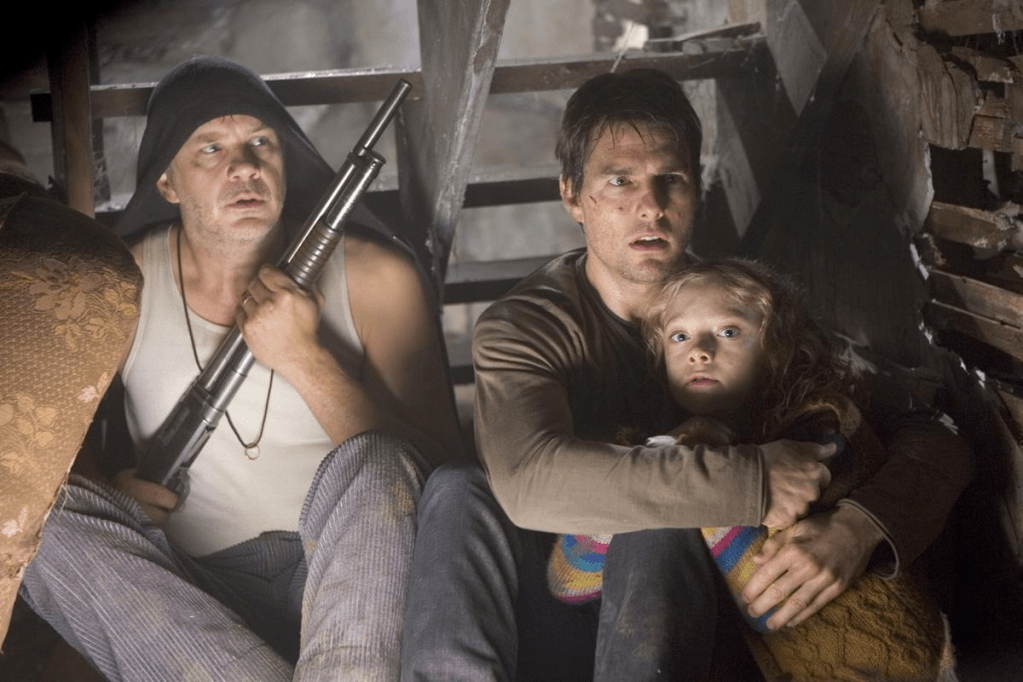
The scenes with Harlan are important as they give Ray a taste of his own medicine. Once there, Harlan quickly asserts himself as an authority figure and begins to belittle and chastise Ray in much the same way he did to Robbie earlier in the film. Ray is also forced to contend with someone who is older than he is, but not as well equipped to handle the situation. Harlan, like Ray was initially, is more focused on his own survival than everyone else’s, an isolated attitude that ends up driving him into madness. As Robbie did for him, Ray tries to keep Harlan calm and keep him from lashing out and behaving rashly, but Harlan, mirroring Ray’s early behavior, starts to come unglued and puts the pair in danger. In one of the film’s darkest scenes, Ray is forced to kill Harlan to ensure his daughter’s safety, symbolically disposing of that side of himself in the process.
The finale of the film puts Ray’s transformation on full display. When the invaders discover the pair in hiding, Ray is forced to venture out into an increasingly alien world to rescue his daughter. When the tripod abducts Rachel, Ray actually has the opportunity to escape, the invaders initially not seeing him. Rather than take the opportunity, he instead challenges the tripod for his daughter’s life. Once he too is abducted, he finds Rachel in a catatonic state, which she snaps out of when she sees he’s come for her. With the help of the other survivors, Ray is able to destroy the tripod, and the pair escape. This is the real finale of the film, with Ray finally taking on his role as a father, and Rachel finally seeing that he will keep her safe.
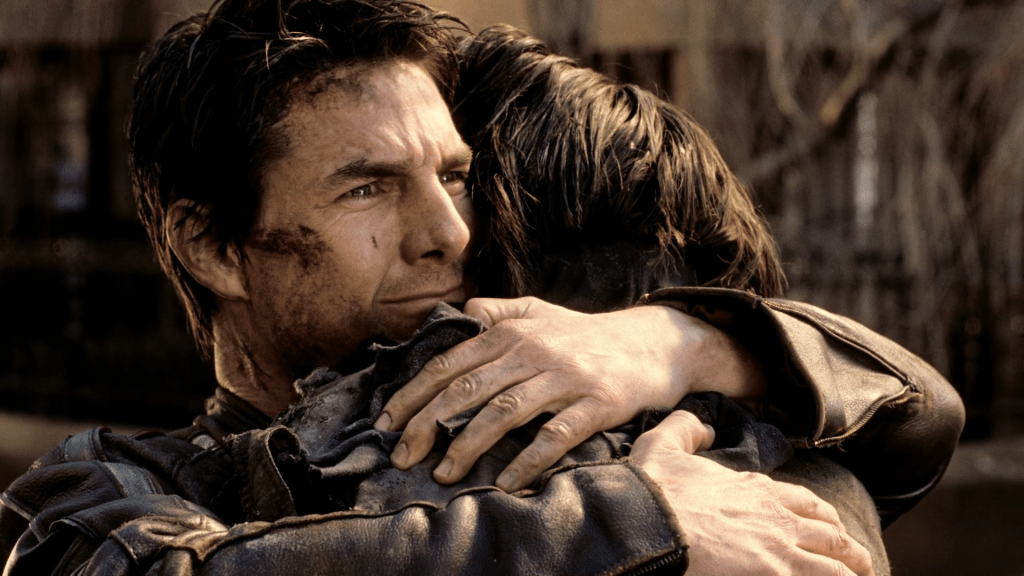
With Ray’s character arc completed, he and Rachel see the invaders finally succumb to their own stupidity, dying of the various pathogens to which the rest of humanity is already immune. What follows is an oft criticized ending where Ray reaches his ex-wife’s home, reuniting Rachel with her mother and discovering, to his shock, that Robbie survived and made it to Boston on his own. The important thing about this scene however is not that Robbie survives, but Robbie’s half of the story. After fleeing the battle, Robbie likely went home to his loved ones and waited for the end, only for the invasion to unexpectedly end. Even more unexpected is the sight of his father, deadbeat and jerk, carrying his sister to safety as the dust starts to settle. In this scene, Ray earns the one thing he never had from his son. He earns Robbie’s respect.
Sometimes a film can be successful in its time before fading from memory. Sometimes they can bomb on initial release and find their footing in later years. And then there are the odd ones where success invites ridicule. This was the fate that befell James Cameron’s Titanic, a popular film that became very popular to hate until it wasn’t. I wonder if the same fate will befall War of the Worlds as I do believe this film is actually pretty great in retrospect, especially after seeing what it’s really about. It’s about a selfish man who, in the midst of an alien invasion, learns there’s much more to being a father than the title. With time and perspective, maybe War of the Worlds will find an audience the same way it did on its initial release. Even if it doesn’t, this was a good film to rediscover on my own.


I saw this in the theater as a kid and the scene where Cruise kills Tim Robbins was so powerful it made me tear up. The build-up to that moment is so intense and the way the killing is juxtaposed with Rachel singing her lullaby is really haunting.
LikeLike