
In the last few weeks, we’ve seen some major releases. Since Disney acquired the Star Wars franchise, they have been producing film after film and show after show, and recently they released the latest in their lineup, The Mandalorian and Grogu, the film continuation of their well-received series on Disney+. We also saw the return of He-Man to the big screen with the Masters of the Universe getting the big-budget treatment. It was a major time for the big franchises. But if you ask filmgoers, those things have gotten old. Instead, the films that have gotten folks talking are the more moderate budget horror films that have been making bank, even out-grossing these major franchises. And of course I’m a Star Wars fan, so naturally I went to see The Mandalorian and Grogu instead of Backrooms and Obsession, right?
Wrong.
I, too, went to see Backrooms and Obsession instead. Twice, even, while the latest Star Wars flick hasn’t managed to grab my ticket sales. Recently, films like Backrooms and Obsession have opened to box office success and critical acclaim, while major franchise bets made by the big studios have floundered in theaters. So how did this happen?
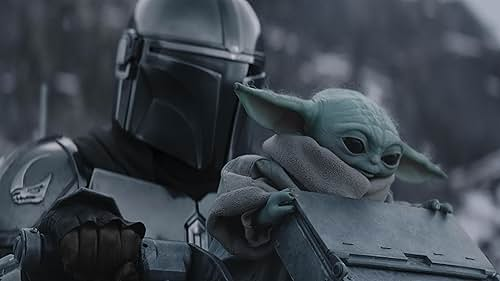
Let’s go ahead and kill one thing off right away. I don’t think Disney ruined Star Wars. I don’t think ‘woke propaganda‘ has polluted media, and quite frankly, such talk is tired and trite. Disney has delivered some great Star Wars films and shows since it acquired the franchise a decade ago, but it has also delivered more than a few unremarkable movies. And they’ve done a lot of Star Wars since getting the property. Like a lot. So much so that Star Wars is no longer an event. Back when the original trilogy came out, you had to wait years for the next movie, and there wasn’t that much Star Wars content, so the movies were all you had. That made each film a monumental event.
I liken it to fast food. I was a 90s kid, and going to get a Happy Meal every week was a major highlight for me. And every week you’d get a nice shiny new toy advertising the latest family-friendly Hollywood flick, usually something by Disney. But despite the bright colors and the fun toys, the food was always the same with little variation. Packaging changes, but the substance? Not so much, and the thing of it is, McDonald’s and all the other major fast food chains are everywhere, and so nowadays, going to get grub at such a place isn’t the event it used to be.
But the bigger thing that a lot of people have missed out on is that these movies failed to generate the greatest form of advertisement, and no, it’s not in the way of billboards, trailers or merchandise. It’s word of mouth.
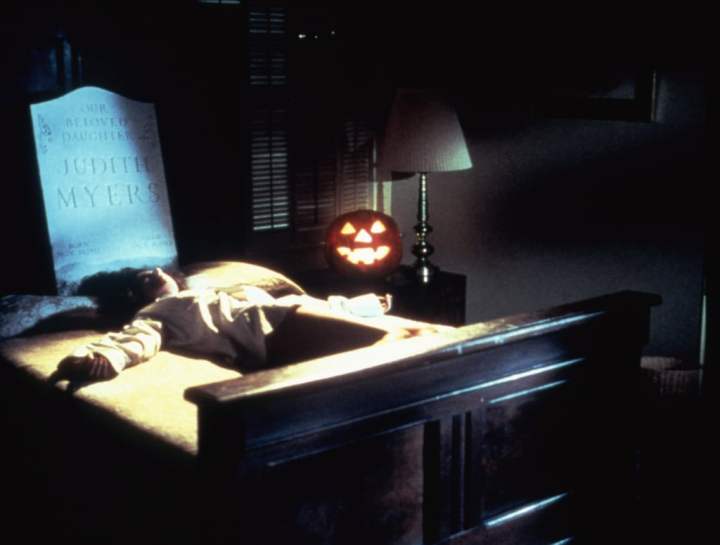
Let us go back to 1978 when a little movie called Halloween came out in theaters. This low-budget shocker made by an up-and-coming director named John Carpenter was not heavily marketed, only getting released in a few theaters, and its opening weekend didn’t do great business. But then the next week, its sales went up. The next week, its sales went up again, and again, and again. Why? Not because of a million-dollar marketing budget, but because people went to the movie, were scared, and went to tell their friends, who in turn went to see it, were also scared, and told more friends. I myself had a very similar experience.
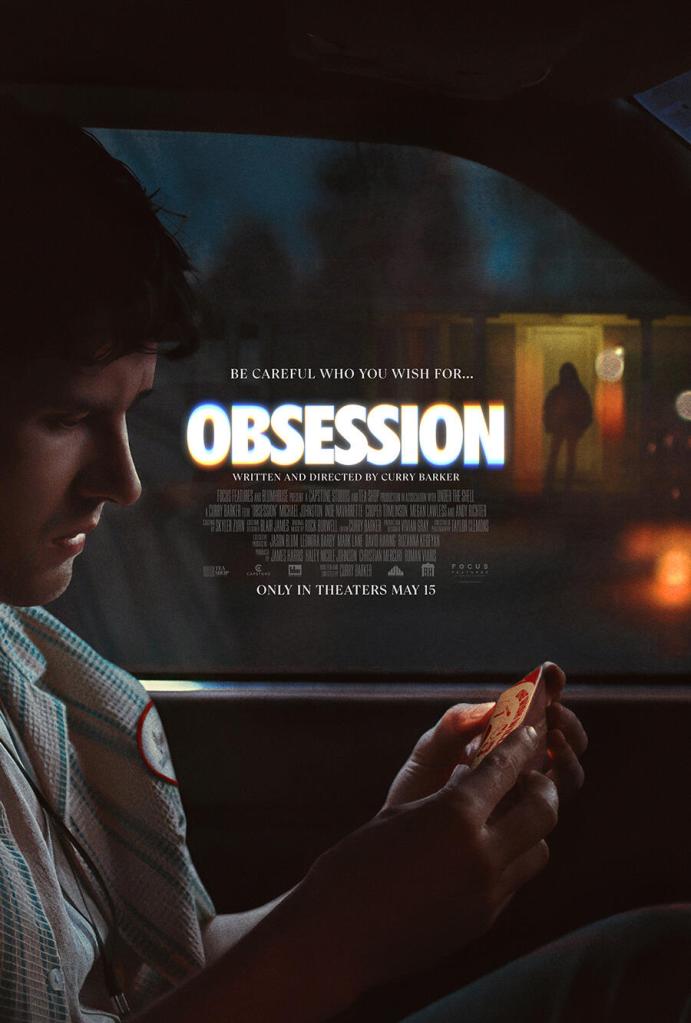
“Have you seen Obsession?” That was the question a friend posed to me. I had not seen the movie, but I had heard of it, because the internet was alight with talk of the latest horror sensation. Nobody involved expected Obsession to make the waves it did, but it was clear that audiences were impacted by the movie, and so in the tradition, they went about the greatest kind of advertisement you can give. Not a major corporation shilling out millions for marketing, but a friend telling you that you need to go see this. Word of mouth is underrated when it comes to advertising, and Obsession‘s success shows us that it still works wonders.
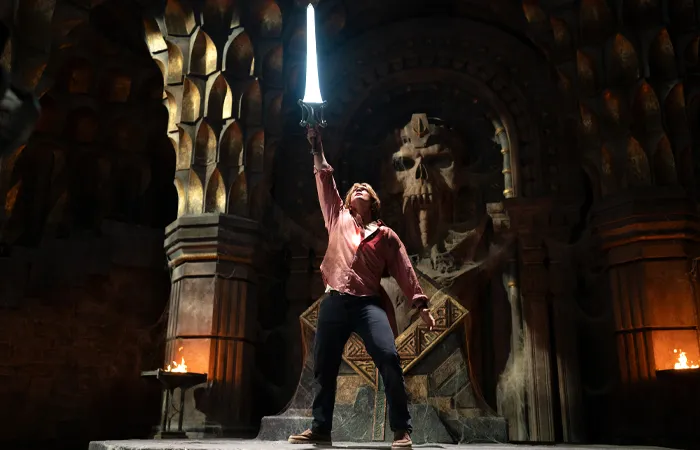
Compare this to The Mandalorian and Grogu. The movie has not exactly been panned. Neither has Masters of the Universe. Instead, both have gotten perhaps the worst review you can get. An audience member shrugs and says, ‘seen it.’ I may not have seen The Mandalorian and Grogu, but I did see Masters of the Universe with that same friend. I’ll admit, the movie isn’t terrible. But it’s pretty standard with the hero being whisked off to a magic world, some pop culture references and jokes, and of course, since it was supposed to be the start of a franchise, it ends with a little sequel bait. A lot of major franchise movies are made by committee these days, with writer groups trying to manufacture the necessary emotional beats and trying to work in the humor that made Guardians of the Galaxy so popular. When we left the theater, neither of us thought it was a bad film, but we both had the same impression. Seen it. And so, as my friend did with me, I took on the role of advertiser.

“Have you seen Backrooms?”
And so the two of us went to see that film a few days later. It was his first time and my second. And after the movie was over, the two of us went to a bar and just talked extensively about how much we appreciated the scares and symbolism. And then a few nights ago, when we went out to play poker with friends, what do you think was one of the things we talked about? Word of mouth. It never fails.
Obsession itself is an old story we’ve seen takers of the wish gone wrong, but it’s done in a way that’s fresh and visceral, and deals a lot with toxic and controlling relationships, effectively forcing its main character to confront his own pining obsessiveness after the tables are turned. Mandalorian and Grogu and Masters of the Universe may take place in major franchises, but they don’t offer that much freshness to their stories. And then you get to Backrooms.
Backrooms is it is the modern equivalent of an urban legend, a piece of lore passed around between friends at parties and when sharing scary stories. And that they got the person who arguably perfected the concept with Kane Parsons was enough to spark interest in audiences. What could have been a horror flub instead turned out to be a relevant look at a toxic and abusive man, holding a mirror to its flawed characters and forcing them to see their own flaws. Many would say that this is above modern audiences. To that I say nonsense.

Every generation, including my own, has always been criticized as the generation that would doom the world. Given the current state of the world as built by the baby boomers, I think we can safely say that it is also a bunch of nonsense. One of the things often complained about with younger viewers is that they lack the sophistication of ‘the good old days.’ When slasher films started making rounds in the 1980s, people would unfavorably compare them to classic Universal monsters like Frankenstein and The Wolf Man or earlier sharp thrillers like Psycho and Peeping Tom. The thing of it is, films like Frankenstein and Psycho were heavily criticized upon release, even if they are now regarded and classic. And wouldn’t you know it, come 40 years later, people are now looking at films like Nightmare on Elm Street and Friday the 13th with the same nostalgia, claiming they are so much better and smarter than the stuff coming out today. But Backrooms and Obsession are smart, and audiences have flocked to them because they offer something different, and something thoughtful.
I think it speaks a lot to how heavily corporatized media has become in the last decade. With multiple studios merging and creative voices being drowned out by those looking to sell a product, stories no longer feel like an experience that can inform and teach, but become as stale and un-nutritious as fast food. I also think it speaks to how much more sophisticated audiences are than people give them credit for. If words from the younger generation were to be believed, all they are interested in is corporate slop. If the success of Backrooms and Obsession are any indication, it seems that it is nothing but a bunch of nonsense.
To me, Backrooms and Obsession are the most old-fashioned movie experiences I’ve had in a long time. No major franchises. No big spectacle. Just a new story that has been hyped up by audiences enough to get this 38-year-old fossil back in the theater. It turns out, like always, audiences tend to like substance. It is my hope that this trend will continue, and we shall see creative voices like Kane Parsons and Curry Barker start to gain more agency in their films. Creative freedom matters because it makes a film unique. And in this age when corporations have hijacked creativity, being unique may be the biggest selling point of all.

