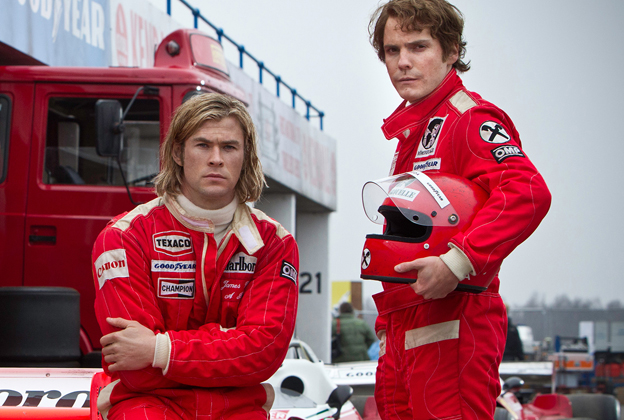
With F1: The Movie (as it’s called now) just around the corner for North American audiences, I figured it was about time to set my sights on some classic racing films to get in the zone. One of the most thematically appropriate films to revisit, of course, then, is Ron Howard’s 2013 film Rush, starring Chris Hemsworth and Daniel Brühl. Set during the 1970s, the film chronicles one of the most intense rivalries in motorsport and is also a slam dunk of a film.
Rush, much like Ford v Ferrari, is more of a biopic about two iconic figures in their respective fields, than an exposé on the sport itself. Formula One is more of a backdrop in this film, as the story is more concerned with the psyche of these two very different men within the sport, rather than the sport itself. What drives these two professionals to do what they do, when F1 had a mortality rate of two drivers per season? What drives a person to get into a car like that and drive at those speeds? Is it fame, glory, or the need to be the best?
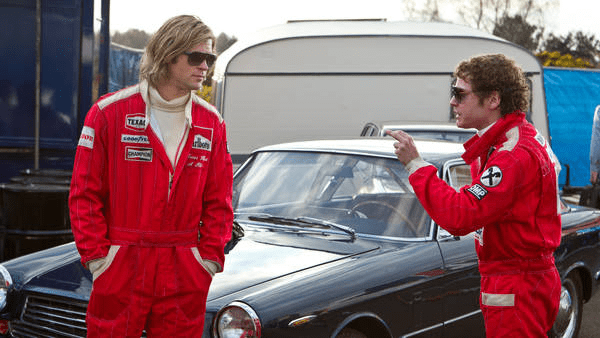
Exploring those themes are Hemsworth’s James Hunt and Brühl’s Lauda. Hunt is a debonaire playboy driver from England, content with womanizing and drinking his way through life, using his aggressive and reckless racing philosophy to become one of the best and subsequently using those riches to live every day like it’s his last. On the other end of the spectrum is Lauda, an incredibly disciplined and reserved Austrian driver, to the point of being unlikeable to everyone around him, as his sole focus becomes the drive with no room for friendships or a social life. The two, naturally, end up having quite the rivalry, which was heavily documented during the ’76 season. The film does embellish the rivalry between the two men for the sake of dramatic effect, so don’t look at this as a pure historical retelling, but in terms of creating a compelling narrative for cinema, it works.
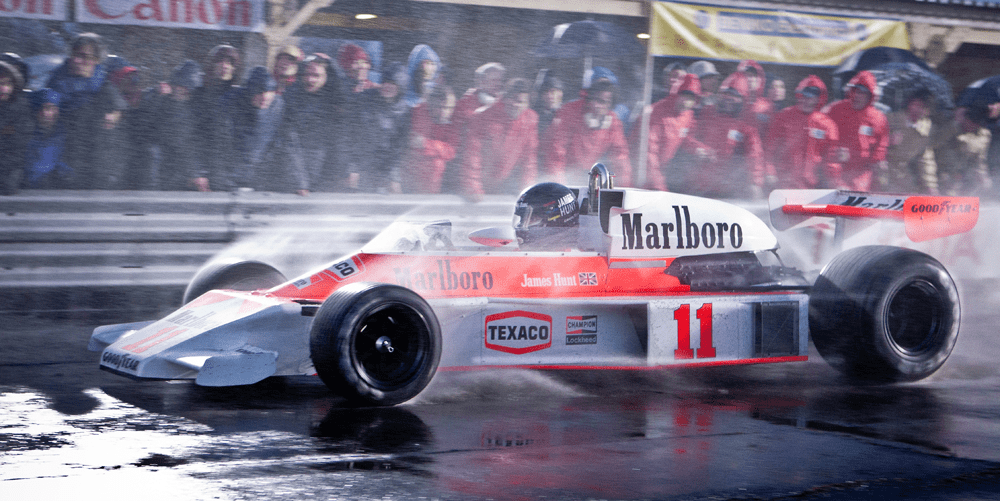
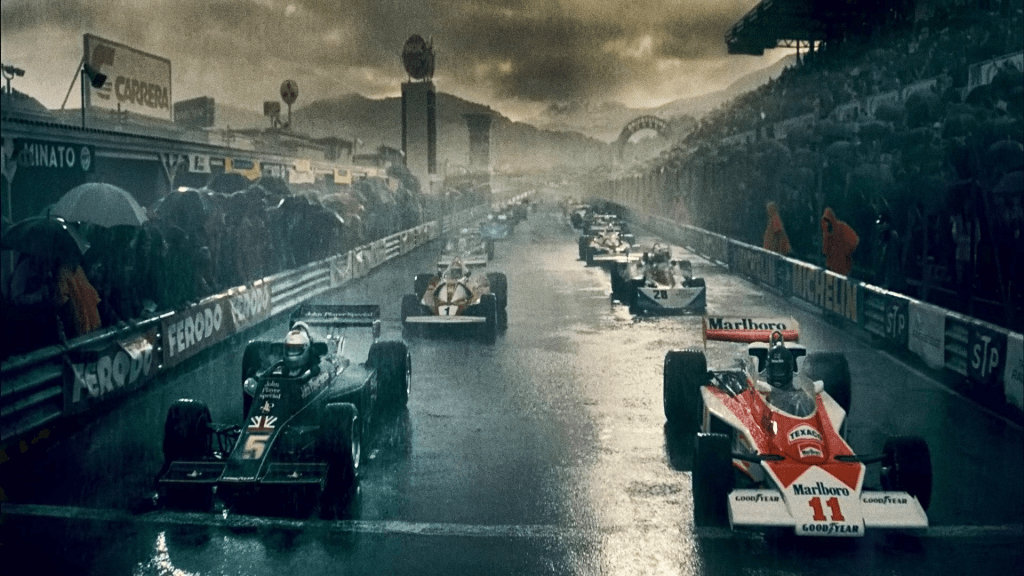
That’s not to say there aren’t races and a need for speed in this movie. There’s quite a few, and director Ron Howard does a great job at recreating these races from the mid70s. There’s some noticeable CG trickery to bring these races to life chiefly, with some of the backdrops, but the vintage look of the cars, coupled with the sound design, makes the race sequences quite the thrill to watch. Rush was also shot on film, so it has this great retro look about it that helps make the film feel older than it actually is.
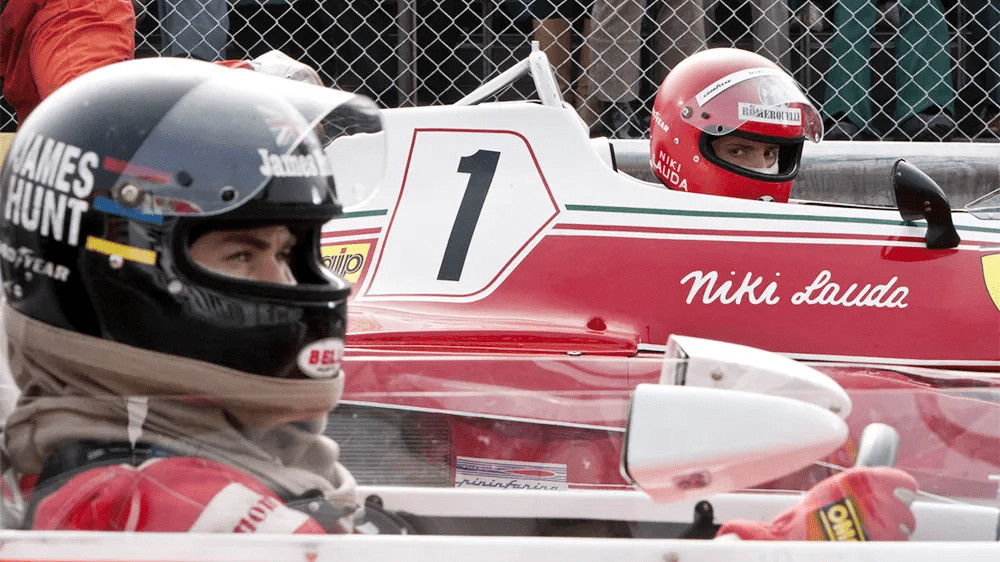
The film also features a pretty majestic score from the always reliable Hans Zimmer, and the film was written by Peter Morgan, perhaps best known now as the creator of the hit show The Crown for Netflix. The filmmakers wisely make both Hunt and Lauda equal protagonists in the film, so there’s no real favouritism given to one over the other. You may find your sympathies shifting between both drivers over the course of the film, which is a testament to the script that we may loathe one driver in one instance, but end up rooting for him later on in the film, or vice versa. Both men view each other as jerks, but also as the primary source of inspiration to be better. Because of their personalities, they both come off as both unlikeable and maybe even a little crazy to the audience, but they both present compelling arguments for their approach to racing, whether that be hard-hitting or methodical. But because the film’s emphasis on character, I’d say this movie works great for those who aren’t even fans of motorsports.
Rush may not be Ron Howard’s best film (that honour likely goes to A Beautiful Mind), but Rush certainly is one of his best movies and one of the best racing films ever made, as it’s more of an exploration of character, rather than a trope showcase for the show. If you have the time to watch it before or after F1, it would certainly be a worthy companion and a great use of your time.


2 thoughts on “Retrospect: Ron Howard’s ‘Rush’ Is A Thrill – ScreenHub Entertainment”