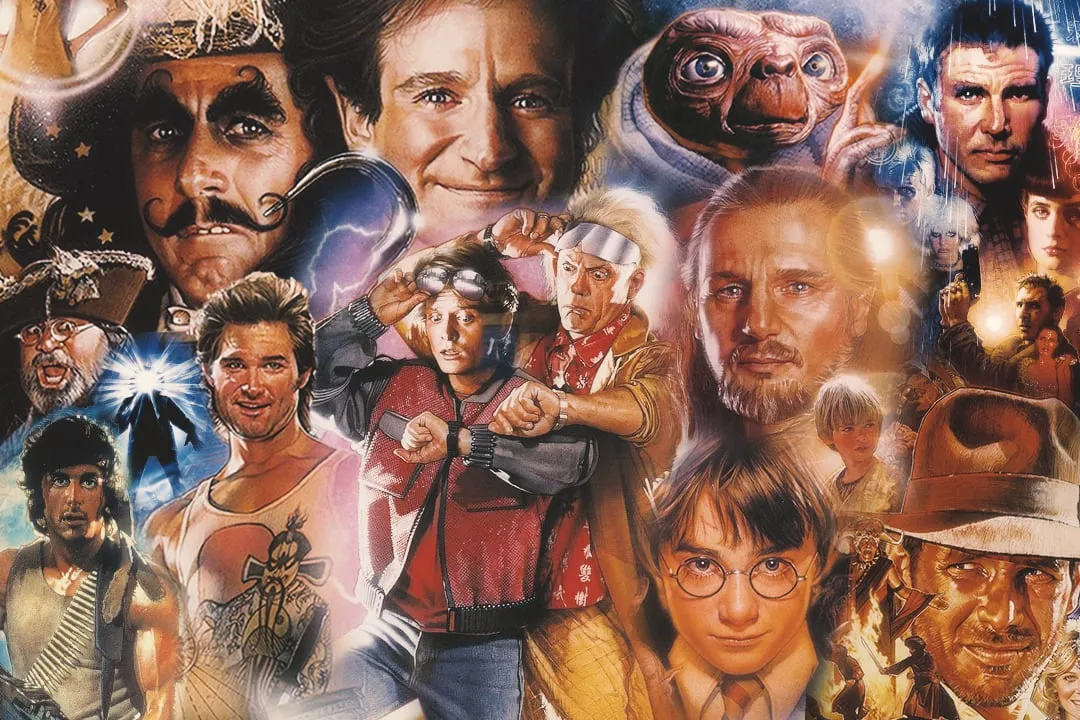
A big part of the fantasy, blockbuster films of the late 70s through to the 2000s is attributed to the artwork of the posters. Where nowadays, most posters are just poor Photoshop jobs that fail to capture the imagination, but back in the day, posters were drawn by hand. One of the most iconic artists in his craft, Drew Struzan, sadly, passed away at the age of 78 after his battle with Alzheimer’s.
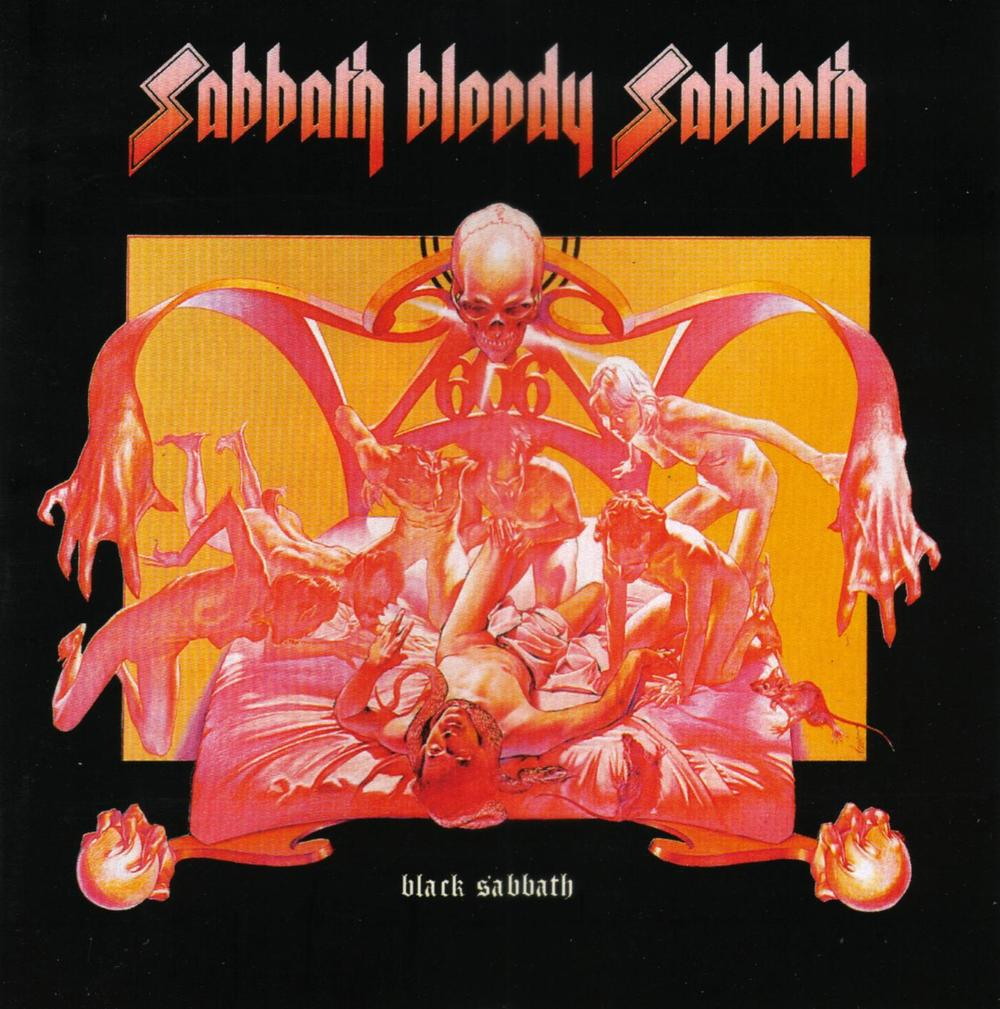
After attending ArtCenter College of Design, Drew Struzan found himself doing the artwork covers for many big-name bands in the early 70s, such as the Beach Boys, Bee Gees, Black Sabbath, Earth, Wind & Fire, and more. He then started his own company and ended up doing movie posters for B-movies, such as Empire of the Ants and Food of the Gods.
He got his big break in 1978, though. His fellow artist Charles White III was hired to do a poster variation for the re-release of Star Wars, only White did not feel comfortable drawing the human characters on the poster, as portraits were not his strong suit. So while White contributed his craft for the likes of the space ships, Vader, and the droids, Struzan found himself painting the likes of Luke Skywalker, Princess Leia, Han Solo, and Obi-Wan Kenobi for the poster. The unique design of the “circus” poster stood out as unorthodox to how posters were done at the time, with Struzan stating:
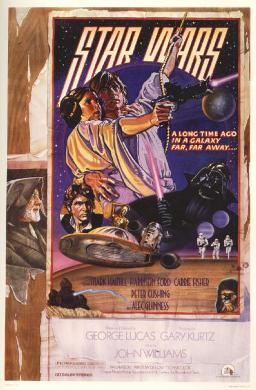
“It was necessity that invented that. They found out there wasn’t enough room for the typography and the billing block they had left in the design. What can we do to make more space on a poster that’s already been printed? Let’s pretend it’s posted, then they can put the type below the actual poster. We painted Obi-Wan down the side and stuff across the bottom to make it wider and deeper.”
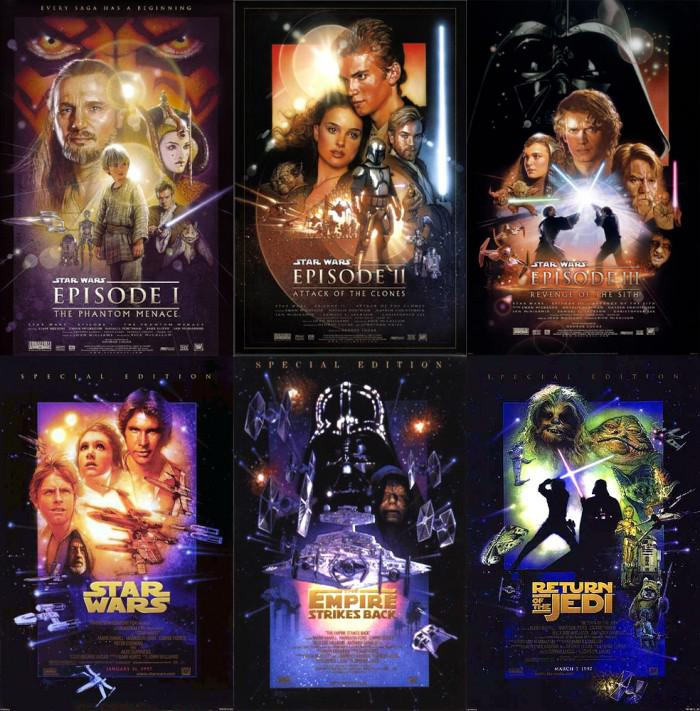
The rest, they say, is history. Struzan would become a staple for a lot of iconic franchises’ marketing, creating handcrafted movie posters that have become as influential and integral to the film’s indentity as the cast or score would be. Films that he worked on include E.T., Indiana Jones, the Star Wars prequels and the 1997 release editions of the original trilogy, The Goonies, Hook, The Thing, Blade Runner, Back to the Future, Harry Potter and the Philosopher’s Stone, and many more. He also designed the first logo for Industrial Light and Magic. With the rise of digital poster making, his work became less in demand, and he pivoted more towards comic books. He would retire after Indiana Jones and the Temple of the Crystal Skull, save for doing the odd job here and there, such as the alternative poster to The Force Awakens, which I personally find way better than the theatrical edition, and a series of posters when How To Train Your Dragon 3 released.
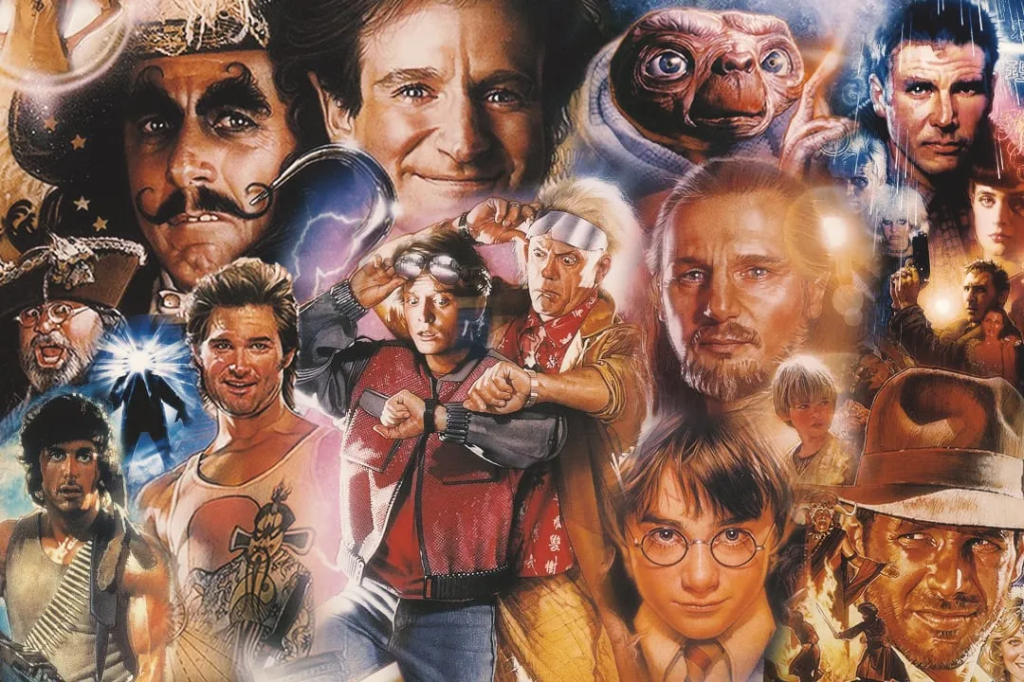
His work, I’d argue, is part of the language of the movies listed above. There’s something magical and whimsical about the hand-drawn posters that spark the imagination in a way that digital photoshopped posters fail to do. While he may have lost his battle with Alzheimer’s, his work will live on as part of the visual identity of some of the most iconic and beloved films of all time.

