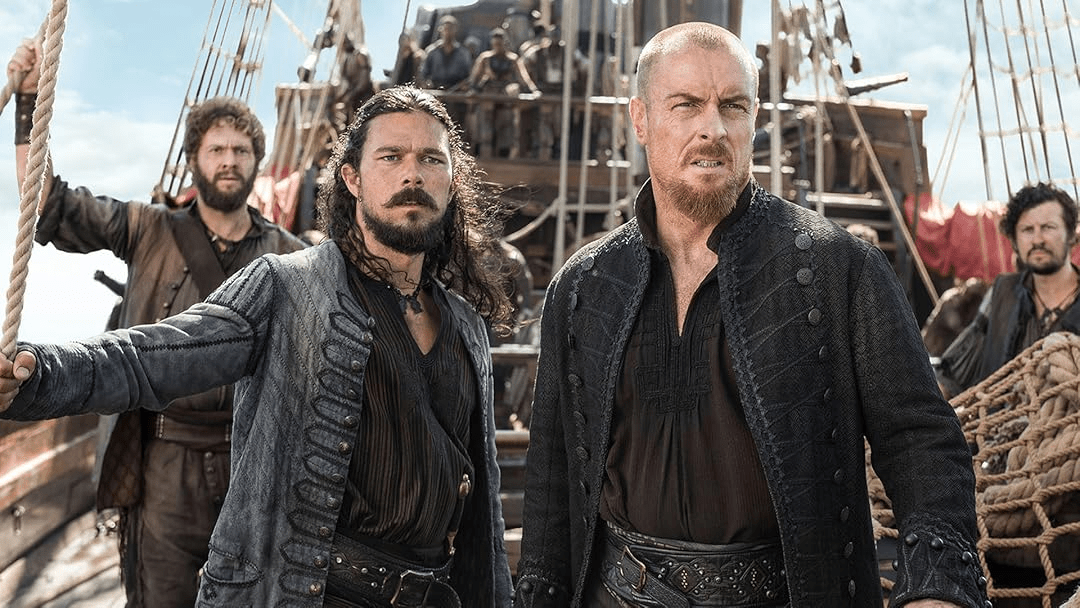
We’re just a few days away from sailing the high seas yet again in Assassin’s Creed Black Flag Resynced, the remake of the beloved fourth mainline entry in the Assassin’s Creed franchise. But rather than talk about the game, I wanted to pivot the attention back to the year 2014 to a show that is, in this writer’s opinion, was criminally overlooked. That show, of course, is Black Sails, a pirate show set during the same time period as Black Flag is. The two properties even share a lot of the same characters and setting, which makes it a perfect companion as we don the cutlasses of Edward Kenway yet again. So hop on board and let me explain why you should absolutely watch this show, and if you are planning on playing the game, how this is the perfect companion.
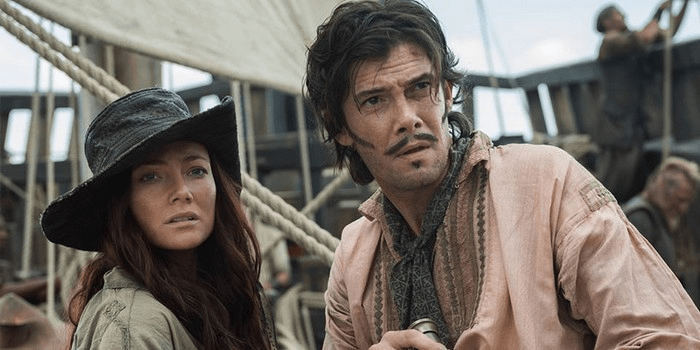
Black Sails aired over the course of four seasons from 2014 until 2018, back when you could do epic television on a yearly basis. It’s a historical fiction, with real-life characters such as Charles Vane, Anne Bonny, and Jack Rackham, Woodes Rogers and Blackbeard (all of whom appear in Black Flag), serving important roles. But the show also serves as a prequel to the legendary novel Treasure Island. That book is all about a crew searching for the missing treasure of Captain Flint. Black Sails is all about the legendary Flint, played wonderfully by Toby Stephens, a haunted and brutal Captain operating out of Nassau in defiance of the Crown. He’s in search of a vast treasure at the start of the series: the very real treasure aboard the Spanish galleon the Urca de Lima. With the help of characters such as John Silver, a cowardly stowaway, and Billy Bones, both from Treasure Island, and original characters for the show, such as Eleanor Gutherie, Max, and Mr. Gates, they’ll forge alliances, face insurmountable odds, and build rivalries over the course of the seasons. Silver, in particular, has a fascinating character arc, and Flint becomes one of the most compelling and layered characters of the 2010s.
Now, I won’t sugarcoat it: the first season of Black Sails is just okay. It’s by no means bad, but I wouldn’t recommend the show based on the quality of the first season alone. It takes awhile to get going, the characters aren’t fully realized yet (upon first viewing), and it relies heavily on shock and gratuity with its TV-MA rating. But it does find its footing in the last few episodes, and that sets the stage for the seasons to come. Each season only gets better and better, until the fourth and final season ends up being a tour de force of acting, writing, production value, and payoff. You can’t skip over the first season, as there is critical information that’s presented in the show in these episodes, and the season does actually improve upon further rewatch, as the seeds that are planted early on are far more evident in these early episodes, but come across as muddled and vague the first time around. But upon further examination, you can see that the writers really had a clear roadmap for this show and with context, the first season is far superior on the second watch. It’s still the weakest, but it’s more satisfying with context from season two onwards.
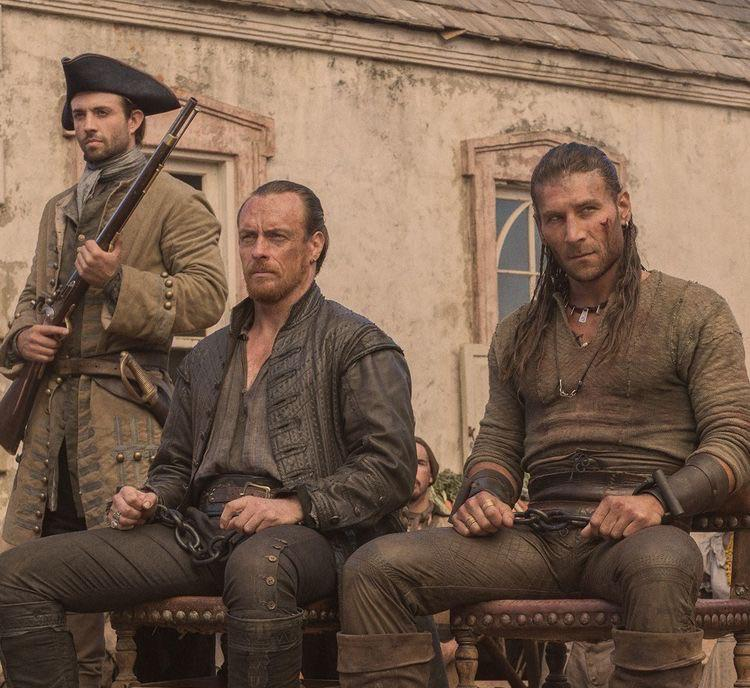
Writing is definitely the crowning achievement of this series. It features some of the most layered and complex characters I’ve seen in the 2010s in terms of television. No one is “good” or “evil”; loyalties are murky but built upon foundations of self-interest, political interest, or upon relationships and past history. Any one of those can override a previously established factor, and as a result, there are often domino effects that cascade across multiple characters over the course of many episodes, or even seasons. Characters often get lengthy and meaty monologues to chew through, each as compelling as the last. Even characters who are enemies to the pirates, such as Woodes Rogers, are not presented as villainous, and have their own ambitions and motivations that make them far more than just an obstacle for the protagonists.
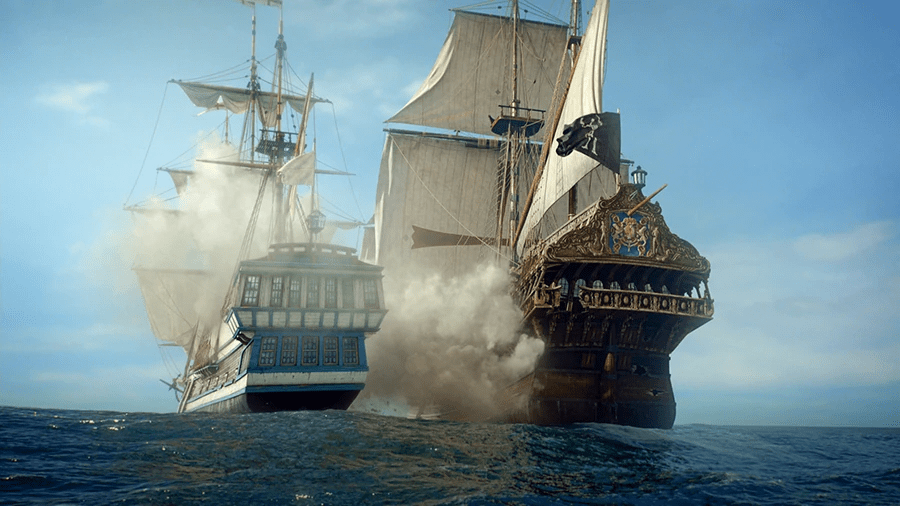
The show also pivots away largely from the cliche and historical inaccuracies that have plagued pirate history for decades, largely thanks to Treasure Island ironically. There are no planks, parrots, or eyepatches in this turn, instead looking more into the lives of the characters and the political situation within Nassau, the home base of the pirate colony in the Caribbean at the time. How does a pirate utopia work when one has fully rejected the concept of government, but also lives by a series of codes and rules? Bringing this to life are fantastic sets, including the town of Nassau, various pirate ships, and other mysterious locations as the seasons unravel. The world in Sails feels lived in. Oh, and legendary composer Bear McCreary provides the score, including a killer opening theme and plenty of hurdy-gurdy. Just listen to the opening theme in this video!
So with Assassin’s Creed Black Flag Resynced releasing on July 9th, Black Sails marks the perfect companion piece as you hit the open seas with Edward Kenway once again. If you like shows with deeply layered characters who are front and center in the story, a gritty yet compelling narrative about greed and betrayal, then this is 100% the show for you. Enjoy!

