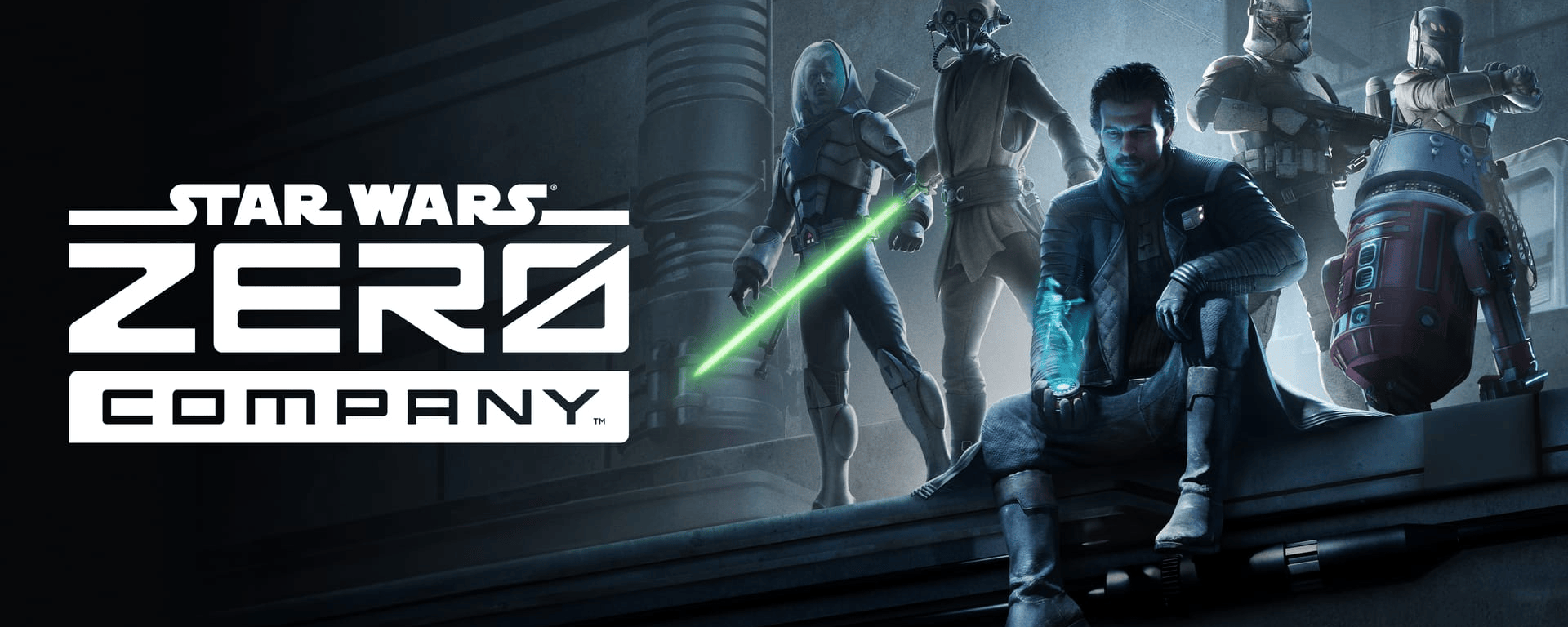
I haven’t finished Star Wars: Zero Company, the latest game set in a galaxy far, far away, but I’ve played enough of the game to understand the mechanics and bring those opinions to you. So this is less of a formal review and more of a first impression. And that impression is very positive.
Set during the twilight of the Clone Wars, Zero Company follows the titular mercenary outfit as they struggle to get by. They’re laughably in debt to the Hutts, and to make matters worse, a mysterious and powerful cult known as the Infinite Coil have emerged against the backdrop of the larger galactic war. You play as the company’s leader, Tesh Hawks, who can be fully customized as a male or female character, with various species to select. I elected to play as a modified version of the default male human, as I thought the voice actor’s bravado and swagger suited the appearance just fine. I made him just a bit greyer and opted for a handlebar ‘stache instead, but didn’t tinker really beyond that. But the options are plentiful for you to make Hawks your own.
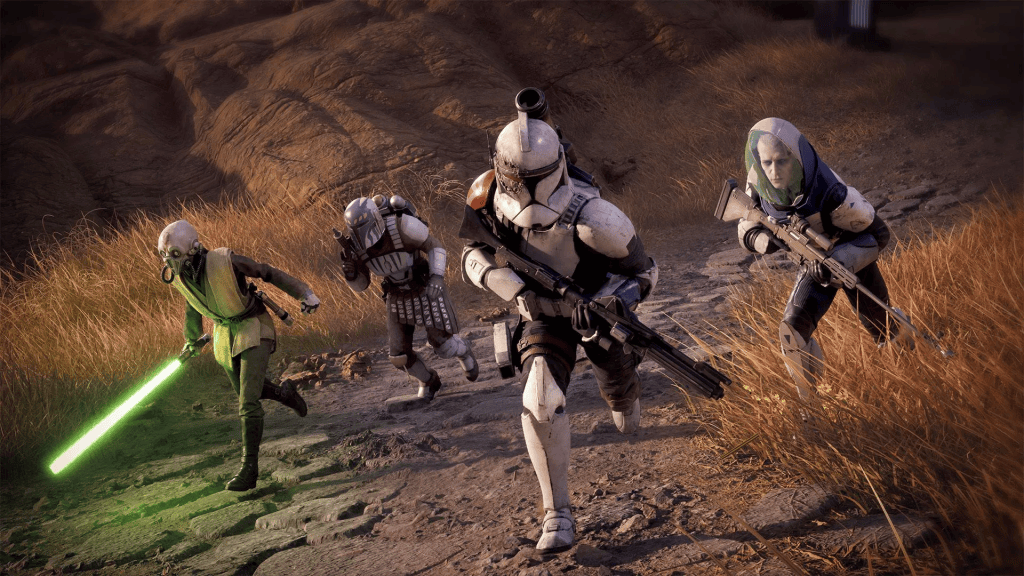
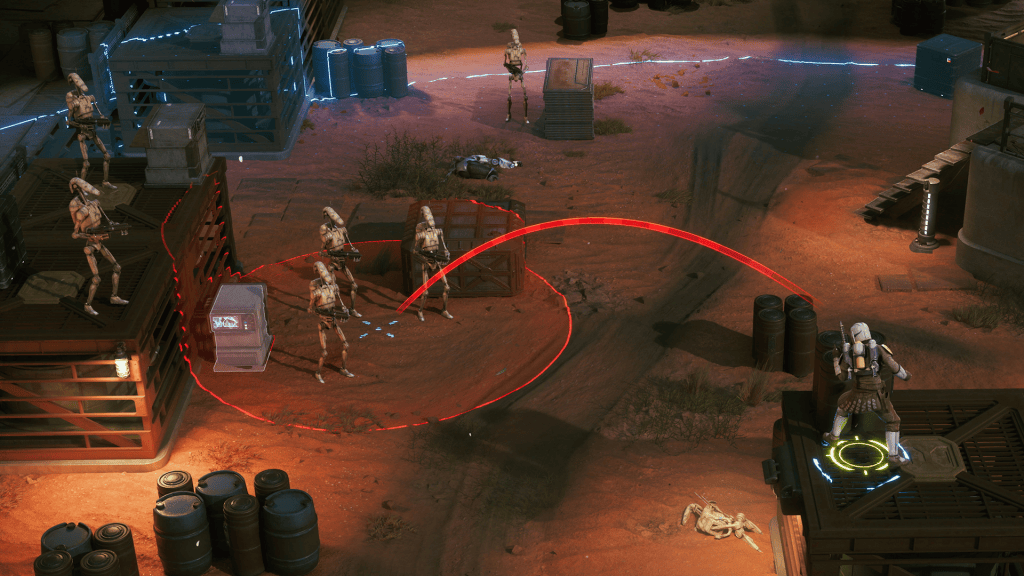
Zero Company is a tactics game, not unlike XCOM (the developer, Bit Reactor, is comprised of vets from that franchise). If you don’t know what that means, you control all of ZC on the battlefield from a top-down camera angle, dictating placement and actions to be taken each turn. Unlike, say, Baldur’s Gate, where you control each of your squad members in turn, you can bounce back and forth between your party members, which really helps with the synergy of attack flow. Each party member has three action points that can be used each turn, which will inform which attack you can use or how far you can move, which utility item you can use (such as grenades or a health pack), or a combination of all of the above. Special moves use a different resource called Advantage, which is accrued by damaging or defeating foes. But you can really play with this to your advantage thanks to being able to move around between your party and the turn order. My Hawks, for instance, is a gunslinger and, using his Quick Draw, can refund one of his action points if he kills an enemy. Blaster pistols do far less damage, though, so it’s a good idea to have someone else weaken the foe first for Hawks to then deal the final blow, refunding his AP (action point) and allowing him to repeat the act. Some enemies, like B1 battle droids, can be taken down in one hit, but others are much beefier.
What makes all this so tense is that the game has permadeath turned on by default. So if anyone apart from Hawks dies, the game continues without them. An operator can get “injured” twice and can subsequently be healed between missions, but if they get injured three times, it’s game over for that person, which can lock out side quests from named operatives. Anyone who gets injured can be revived at the cost of one AP from another player on the team, but that may put them in harm’s way. I’m playing on hard with this mode on, and apart from some total team wipe outs early on in the campaign, I’ve yet to lose anyone, so if I replay this, I may ramp this up to the hardest difficulty.
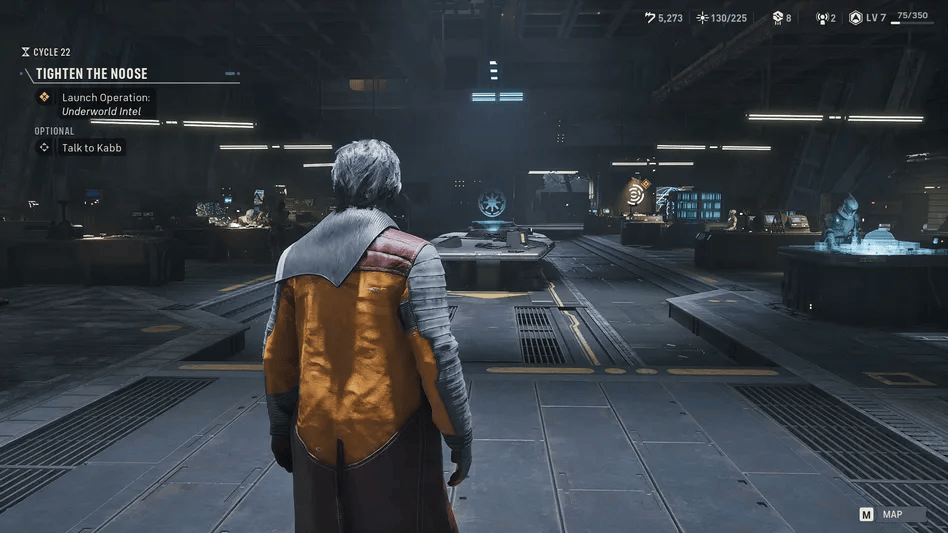
When not in combat, Hawks and the rest of Zero Company are quartered on the Ring of Kafrene at the Den, where you can chat with your squad and potentially open up new side quests, heal your team in the medbay, buy new weapons or mods at the black market vendor, level up your character, and more. You can respec and reclass anyone on the team at any time while you’re here, so feel free to tinker and mix things up. I’ve changed just about everyone’s class at this point and found a good groove now that I’ve established a good A team and B team. Each member also has a bond level with the other members, which can be improved upon for further rewards.
You then head over to the galaxy map and choose between Operations, which are text-based missions that offer rewards such as credits, influence, or intel. The former should speak for itself, but influence is a three-tier system that offers rewards in each sector of the galaxy. Build this up for more goodies. Intel is the resource used to undertake these Operations, so you won’t be able to do everything on a given run, and they all have a ticking clock before they expire, so you won’t be able to do everything.
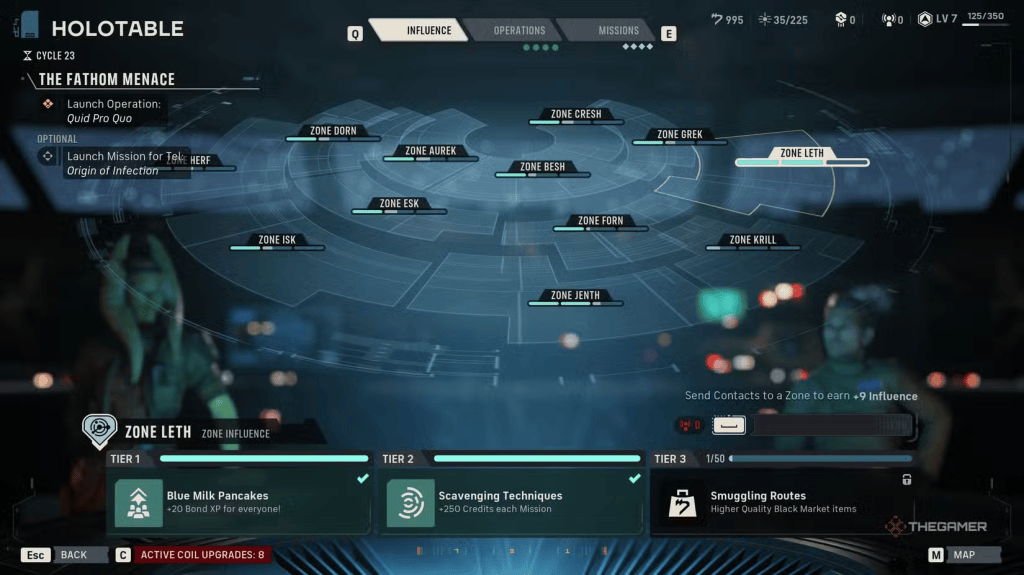
On the next tab, you have the Missions, which are divided into main missions and side missions. Hawks has to be present on a main mission, but he can sit out side missions, which is great if he needs healing in the med bay, which takes one cycle to complete. Much like Operations, Missions are time-sensitive, and sometimes a Coil threat will interrupt your progress, forcing you to undertake that mission and potentially missing out on a planned mission that had only one cycle remaining.
Despite being very combat-focused, there is a story in Zero Company, and it comes to us from one of the writers of Jedi: Survivor, Aaron Contreras. It’s not as impactful or nuanced as that game, at least not at this point in the game (I’m just past Cloud City, by the way), but there is far more than you might expect from this genre. There are cutscenes, consequences, and layers to be unravelled.
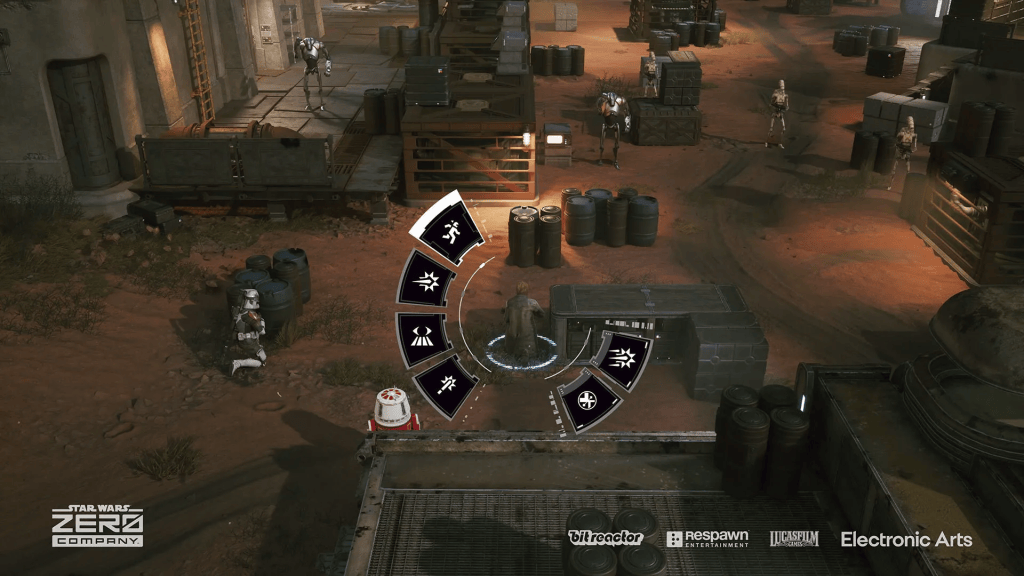
Now, the game isn’t perfect. It has quite a bit of bugs and technical hiccups. Nothing game-breaking per se, but enough that it’s noticable. I’ve had one hard crash, and one time where the game wouldn’t load any of my save files after a game over screen, forcing me to exit and reload from a previous save, which lost me around 40 mins of game time. There’s some bugs, such as clicking one action on the wheel and something else happening instead, and some actions not registering properly, like overwatch not registering when an enemy walks through the radius. The graphics are also just okay, with facial animation being a little rough. But the attention to detail on the little things is great, and the sound design and score are fantastic, that said.
But these complaints are overall minor. If you like a game that tests your wits and forces you to think ahead that’s set in a galaxy far, far away, then this is a definite recommendation.

