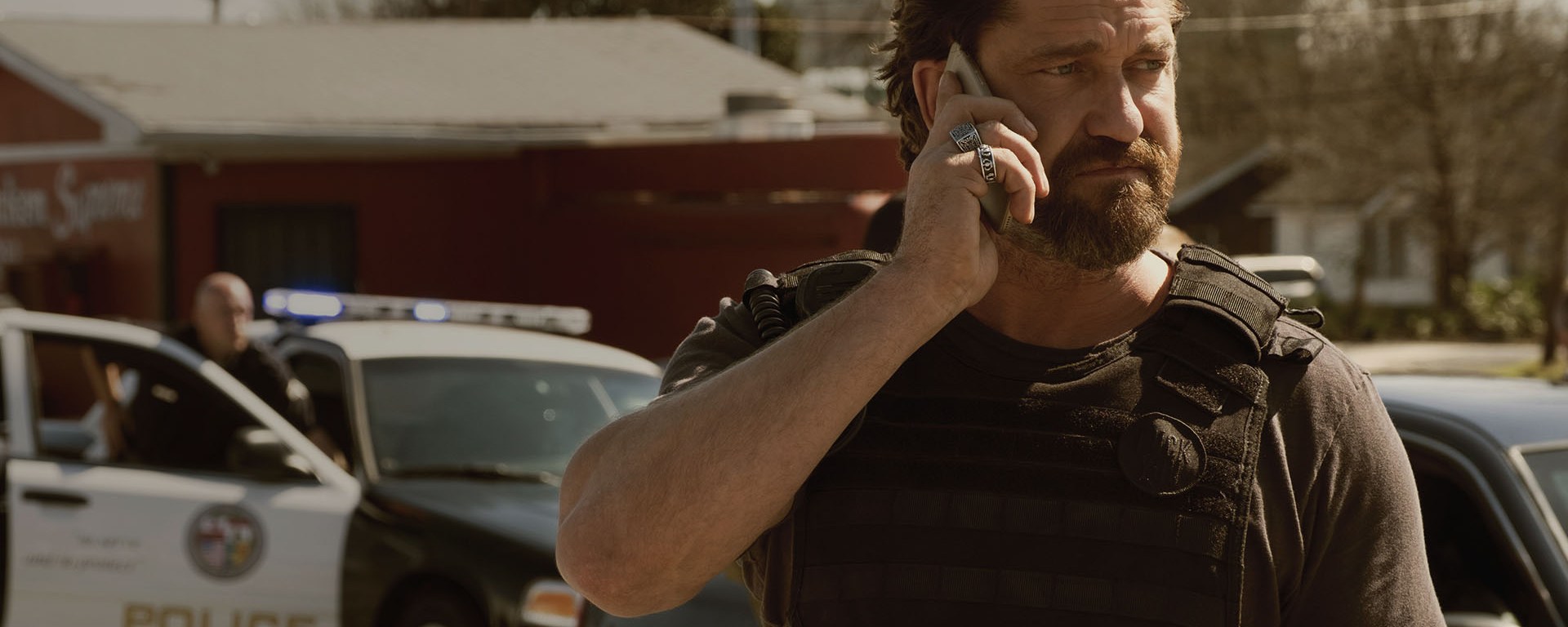
The biggest compliment and criticism of 2018’s action heist film Den of Thieves is that it’s Heat-lite. But if you’re going to try and make a heist movie, riffing off of one of the best ones ever made isn’t per se a bad thing, as long as the final result elevates the product. I feel this is the case for Den of Thieves. It’s derivative, yes, sometimes to a fault but it’s surprisingly clever and well-shot, which makes this film stand out where other imitators have stumbled.
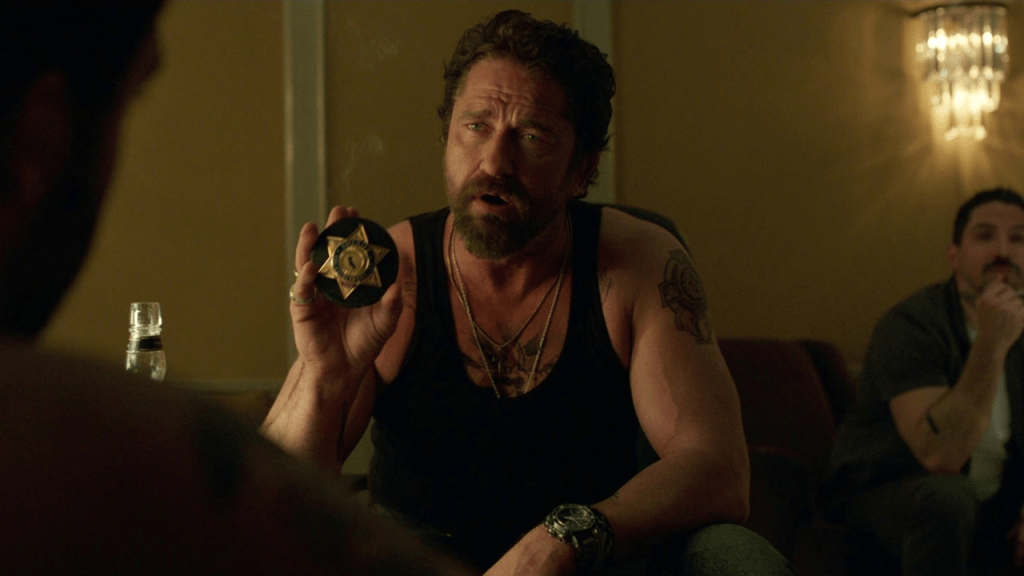
Den of Thieves follows a group of professional thieves as they plan their next big heist. But things go off to a bad start as they rob the armoured truck and bodies are left on the ground. This is what pulls Gerard Butler’s slimy Major Crime Unit Nick “Big Nick” O’Brien into the fold. Unlike Pacino in Heat, Big Nick would probably be more comfortable hanging out with Alonzo from Training Day. He’s a scumbag of the highest order and despite trying his damnest to take down the thieves, is very much the antagonist of the film. He kidnaps Donnie (O’Shea Jackson Jr.), a bartender who confesses to being the getaway driver for a group of thieves led by a former Marine named Merriman (Pablo Schreiber). “This means I’m in a gang, only we have badges,” says Nick to Donnie, holding up his badge after pointing to his tattoo. Donnie is now Nick’s mole as the thieves continue to plan to rob the Federal Reserve, with Donnie in the middle of the two parties with his life on the line.
Heist movies live and die by how clever they are. Going into a bank and robbing it at gunpoint isn’t clever, which is why movies like Hell or High Water (super-duper recommended) have such memorable and layered characters to drive their narratives further. Why these people steal from banks becomes the defining bit of the story, rather than the act of robbery. Den of Thieves is the opposite. It’s not very heavy on characterization, to the point where I can’t tell you anything about some of the side characters (including their names, looking at you 50 Cent, who is indeed in the movie), but spends a lot of its two-and-a-half-hour runtime focusing on the finer nuances of planning the heist, as well as the heist itself. And it’s a pretty great heist too. Clever and inventive, even if you have to suspend disbelief here and there. If you like films such as Oceans 11 which spend a lot of time doing the recon and planning before the big job, Den of Thieves is more like that while also focusing on the heist and the inevitable shootout.
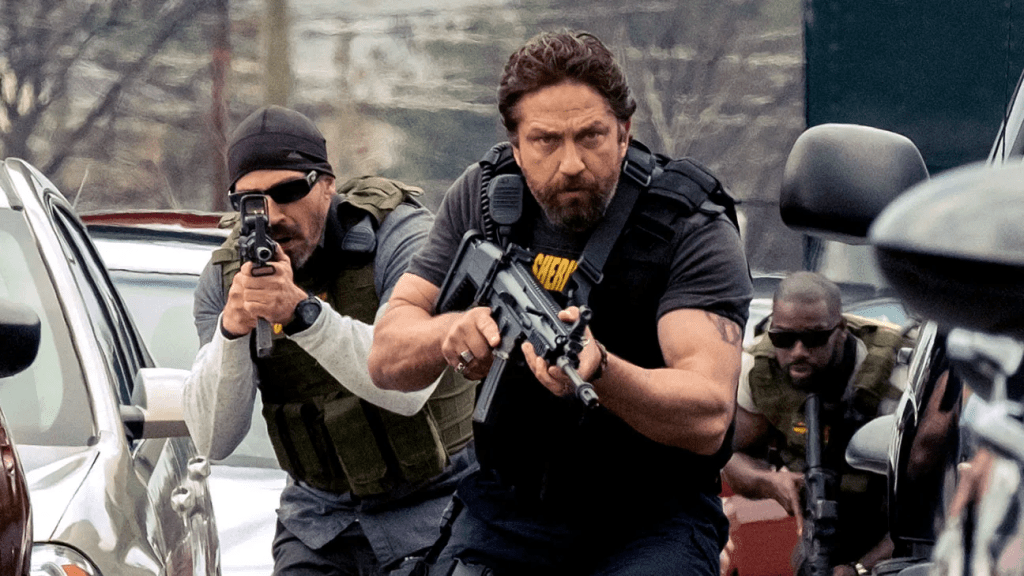
Despite being a work of fiction, Den of Thieves was still heavily researched in order to make the heist feel authentic. L.A. is the bank robbery capital of the world and the film makes sure that attention to detail within its own movie is applied to make the job feel grounded and believable. Helping behind the scenes in guidance roles was an L.A.P.D. Sheriff and a former undercover police officer, as well as an author on the topic of bank heists and the father of one of the producers was part of the development plan for the Reserve, which allowed the production to net a photoless tour of the building. All this helps immerse the audience and helps with realizing the multi-step and inventive heist that takes place during the film. As mentioned, you have to suspend disbelief as there are some logic gaps in the plan, but it’s never too much of an issue that it ruins the experience.
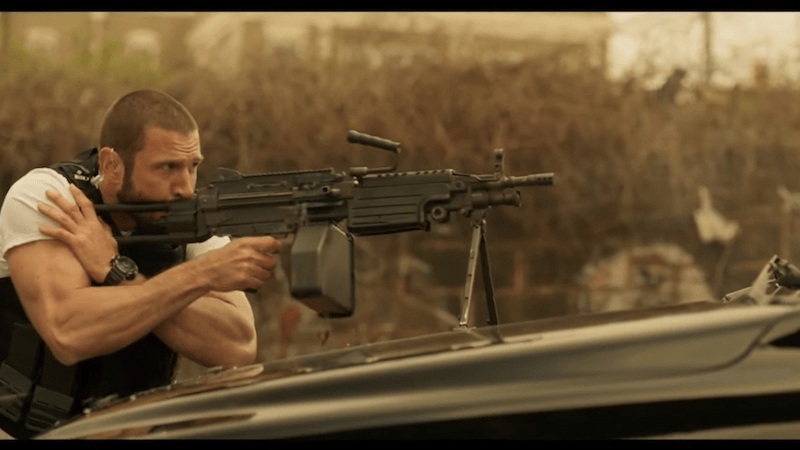
The film is also well-shot. From the moment the film starts, I immediately noticed the cinematography. Writer/director Christian Gudegast keeps the look of the film slightly handheld, but also frames it wide, allowing us to get immersed into the shady side of L.A. and its many denizens.
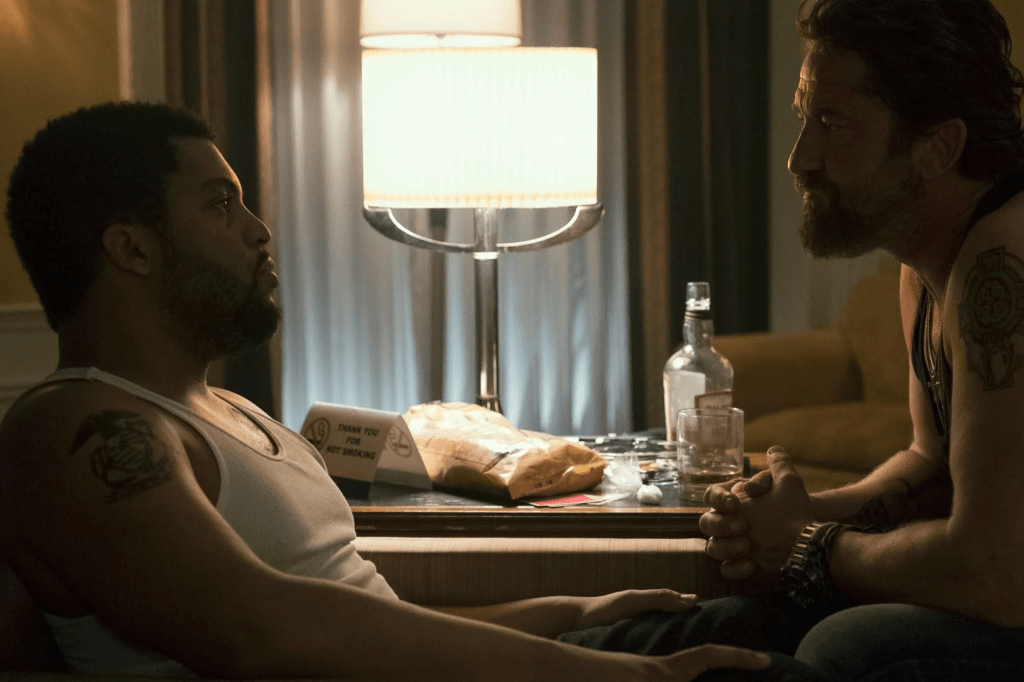
What holds Den of Thieves back a bit is it’s very familiar if you’ve seen Heat, which is about a group of cops hunting down a group of professional thieves in L.A. Heat, that said has iconic characters that have stood the test of time and while Den of Thieves is still engaging, it’s characters aren’t well-defined or memorable. It’s also two and a half hours long and I feel it could’ve been trimmed a bit, especially since we spend so little time on the characters. It’ll begin to explore these concepts, only to drop them, which is even more frustrating than not even doing character development at all. There’s also a big shootout (akin to Heat again) but credit where it’s due: the sound design is top-tier, much like the film it’s so clearly influenced by.
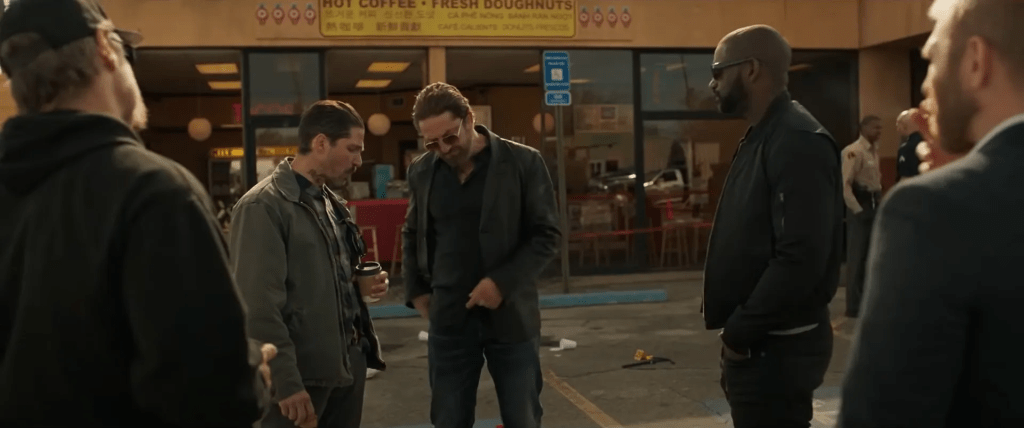
But in the end, Den of Thieves comes out stronger than a lot of its contemporaries who try to go for that Michael Mann-esque approach. While it’s familiar, it at least put a lot of effort into crafting its world and heist. This makes the movie stand out more than you would think it would, especially looking at the critical reviews and the marketing (critics were mixed on the film, but audiences embraced the film more). If you’re looking for a decent romp through L.A. and enjoy these kinds of movies, it’s worth checking out, especially since the sequel just hit cinemas (stay tuned for that review). Den of Thieves isn’t “cinema”, but it’s also not phoning it in and offers a movie that’s better than you might think it is.


2 thoughts on “‘Den of Thieves’ is Surprisingly Good Despite Its Flaws – ScreenHub Entertainment”