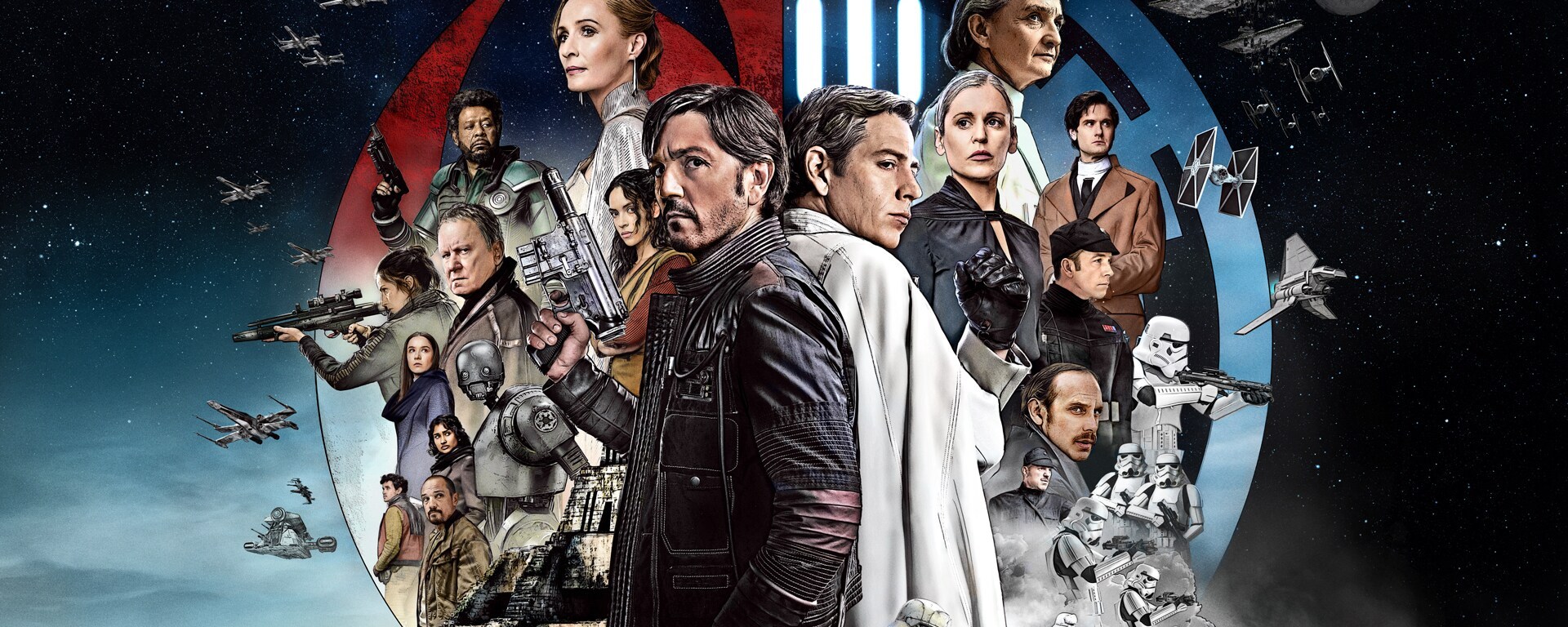
After an unconventional release cycle, which saw three episodes get released a week over four weeks, Andor has come to an end. The show was, without a doubt, a masterclass in writing once again and segues nicely into Rogue One, which serves as more of a season finale than the final episode of this season does.
Each week, audiences got a whole arc of Andor to watch. Unlike last season, which covered a whole year, this season covered four years, with each arc jumping a year ahead. It’s an unconventional approach to storytelling, and I can’t help but wonder if this was Tony Gilroy taking the best arcs of his original five-season plan and condensing them for the second season. This is my main criticism of the second season, as it can feel a little rushed at times, with some arcs or characters either feeling sidelined or not given enough screentime after major events. I also found the arc with Wilmon and Saw Gererra to be a little meandering, in that it didn’t feel like there was much payoff on the larger narrative. Likewise, I was a bit lukewarm on the opening arc with Cassian, with him being held prisoner by two squabbling Rebel factions in the forest. But despite that, the show never feels clunky despite all those time jumps that happen every three episodes, as the writers found ways to naturally progress the central stories and themes within this season.
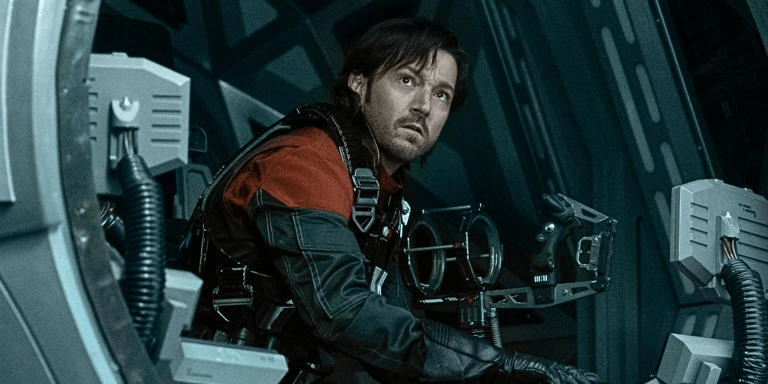
At the heart of this season are two arcs dedicated to the people of Ghorman. This plot point was actually teased in the first season of Andor in the Senate, and the outcome was mentioned in the third season of Star Wars Rebels. But despite knowing what was coming, I didn’t know how it was going to happen and seeing all the subtle planning laid out throughout the season ended up coming together for those stories.

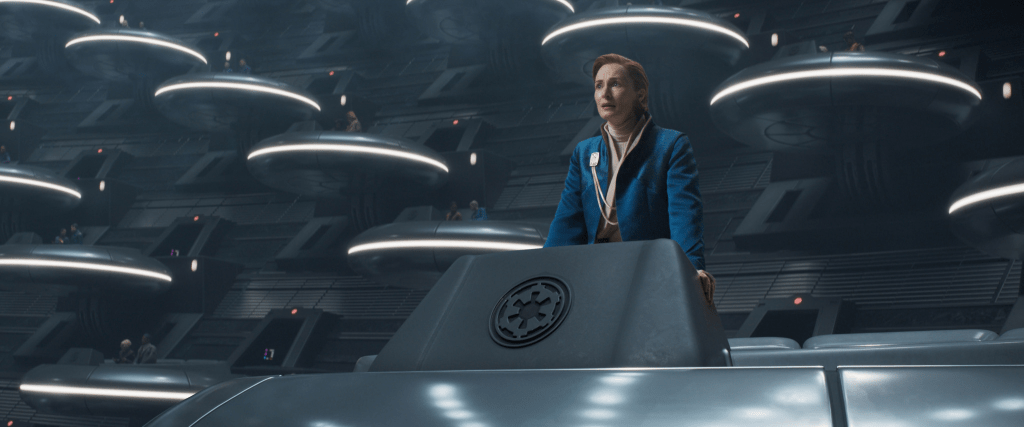
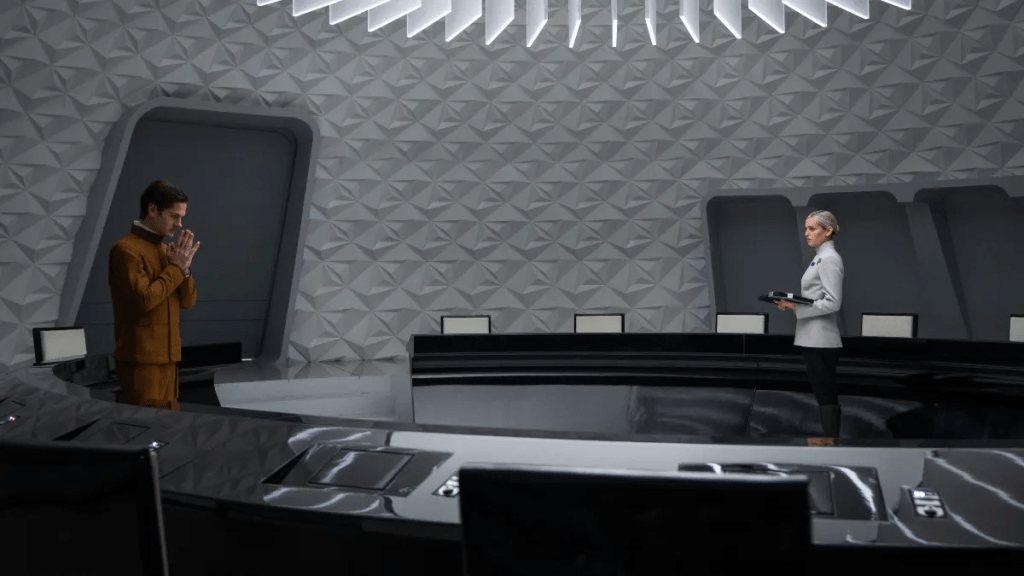
The major seeds were planted early on in the first arc at an Imperial summit, where the higher-ups, including Ben Mendelsohn’s Orson Krennic, plan the downfall of Ghorman. The planet is the only source of a material critical for the Death Star construction, but due to the influence and prosperity of the planet, they can’t just waltz in and take it, as the optics would be awful. So they use propaganda over the years to slowly pivot the narrative against the people of Ghorman while slowly oppressing the planet. Then, a false flag operation kick-started the massacre of the people, resulting in thousands dead. It was an intense episode, not only because of the violence on display, but because we had just spent hours with the Ghormans, and we know just how sinister these plans are. What’s more is that we see the political fallout of this incident, something alluded to in Rebels, but fully fleshed out this time with Mon Mothma’s departure from the Senate after calling out Palpatine, by name, as being responsible for the atrocities committed in the Senate. When being extracted from Coruscant, Cassian ends up killing her driver, an ISB spy, in front of her and Mon’s face of pure horror was more intense than any action scene this season. She really sold the horror of witnessing someone get killed in front of her. Mon, up until that point, had been fighting the Empire within the Senate and backroom deals, but she had never seen the cost so up close and personal.
It’s always been something of a joke that the Empire in Star Wars aren’t that scary and that their stormtroopers can’t aim if their lives depended on it. Not in Andor. The Empire are terrifying in this show, using crowd control, false flags, propaganda, and fear, to control a narrative and a people. But there’s so much else going on too. Syril Karn is spying for Dedra Meero on Ghorman and embeds himself among the rebels on the planet. But he slowly ends up realizing that maybe he’s on the wrong side as he learns the plan he thought he was participating in was a ruse and that he was simply a pawn in a bigger plan he was not privy enough to know. He died hearing Andor, his arch enemy, who he sees as responsible for his lot in life, utter the words “who are you?”. Despite the encounter on Ferrix, which derailed Karn’s life, Andor hasn’t thought about him since. He’s moved on, rendering Karn’s vendetta as inconsequential. Then he died. That’s almost as poetically ironic as Meero eventually getting arrested for insubordination and treason, which earned her a stay in the very same prison Andor was in last season. For all her love of the Empire, it ultimately turned its back on her. Partagaz, despite being a cold, calculating authority figure in the ISB, is also presented with the reality that he’s to be arrested for his department’s failures and like Luthen, opts to take his own life instead of vanishing into one of the Imperial black bags and a life of misery and torment; something he knows would await him.
The attack on Ghorman itself was brilliantly shot and edited, using clear camera movements and staging that made it easy to keep up with the chaos. Seeing the KX droids get unleashed on the crowds was utterly terrifying and made me a little more fearful of K-2SO, who joins the roster after Cassian steals his broken body after the massacre. Unlike, say, Ahsoka or Mandalorian, which utilized the Volume, Andor was shot on location in the U.K. and in Spain, and it shows. Characters are able to walk across these massive sets without having to cut because of the limitations of the volume. Before her daughter’s wedding in the first arc, Mon is walking through this massive set, complete with multiple outdoor stairways and levels, without having to cut the camera. This season reportedly cost $290 million to produce, and every dollar is on display. This show looks and feels more like a movie. But with a price tag like that, I can understand a bit more why they decided to trim down the planned story. That and showrunner Tony Gilroy stated he and Diego Luna didn’t have the energy to commit themselves to a project of that scale for a decade of their lives. Gilroy quipped that Luna would basically age out of the role if they shot the planned five seasons, considering production timelines.
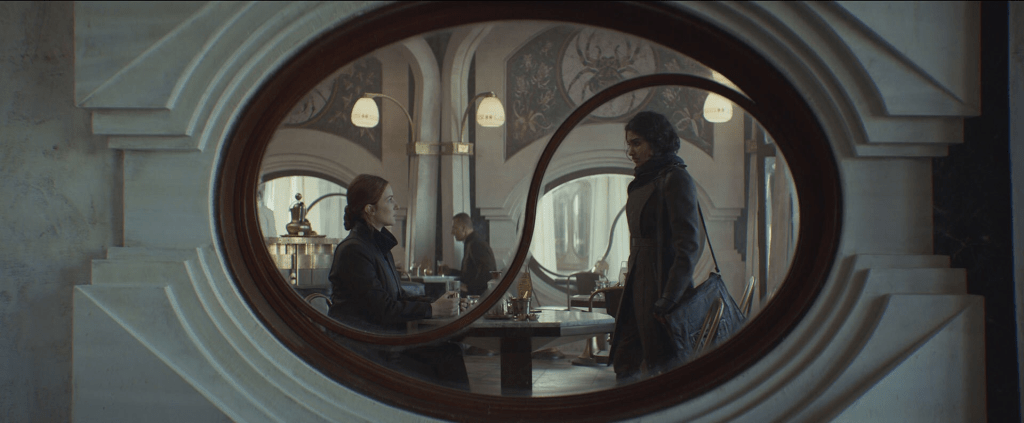
I mentioned in my review of the first season that Cassian Andor as a character felt as if he was merely passing through history and that we were seeing events through his eyes, making him a bit of a blank slate. I’d say that Andor as a character was far more interesting in season two. He had more agency for one, was more emotionally layered, and more compelling overall. His character arc with Bix was truly great, going from the fallout of her torture last season, to doing groceries together, to her eventually leaving him because she knew that in the end, the Rebellion needed Cassian more than Cassian needed Bix. Talk about a gut punch. But wait, there’s more! Bix was also pregnant, and the final shot of the show reveals said child, who will never know its father, as Cassian is days away from his own death now. That’s what Andor does so well. It highlights the cost of freedoms and how much people fighting for it have to give up, whether that be peace and love, or even their very lives. What’s brilliant is that it applies to both the Rebels and the Imperials on the show.
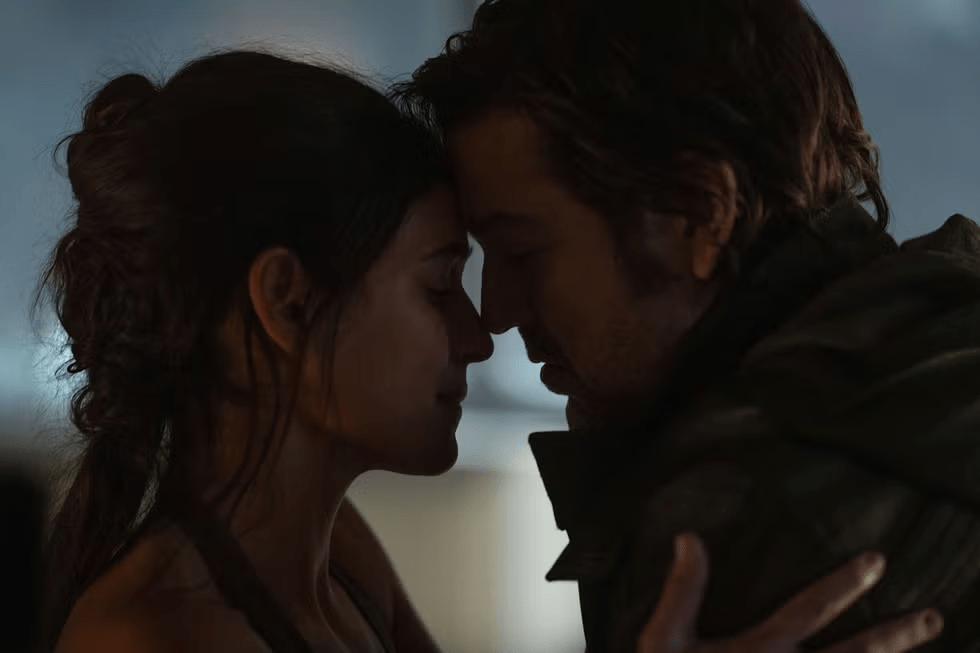
But the real stars of the second season are Genevieve O’Reilley as Mon Mothma and Elizabeth Dulau as Kleya, Luthen’s assistant from the first season. The latter gets a lot of time to shine this season, including a whole episode wholly unto herself where she must infiltrate a hospital to take a dying Luthen off of life support. I love how Luthen has known for years this endeavour would kill him, and when Dedra comes to arrest him, he opts for suicide via antique knife, only it doesn’t succeed. So Kleya must infiltrate the hospital and kill her father figure to ensure that he doesn’t give up any information while under torture. It was harrowing and emotional at the same time. Luthen’s intelligence, via his ISB mole Lonni, is ultimately what sets the Rebellion on the scent of the Death Star plans, the Kyber on Jedah, and Galen Erso, despite some resistance from some Rebel leaders about the validity of the intel and the source.
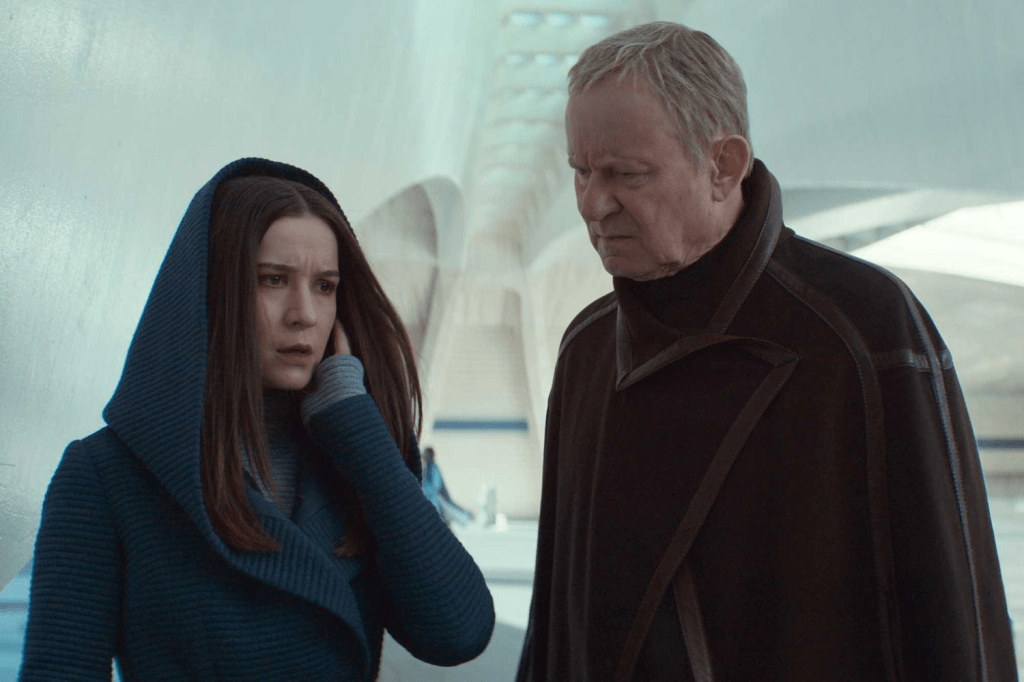
It’s been a real treat watching Andor, both this season and last. Star Wars has been, well, uneven over the last few years, with some highs and lows, but Andor has reminded me and audiences that it can be so much more than just an adventure. Andor is prestige TV, one that puts character first, bolstered with top-tier writing. For the second Ghorman arc this year, I’m sure Andor season two will be a serious contender at the Emmys. I can’t wait to rewatch Rogue One now and look at the show with a new perspective. That film is already aging like fine wine, and I’m sure there’ll be moments and character beats that will resonate harder this time around. Both seasons of Andor are masterclasses of television and are easily the best thing Lucasfilm have produced under the Disney banner. There’s so much more I could go on about, but this article is already a nine-minute read, so my dashboard tells me, but we’ll for sure be talking about this on the podcast, and we can dive further into it there, so stay tuned for that! If you’re jaded on Star Wars, I would strongly recommend Andor. It’s mature, sophisticated, prestigious, compelling, and so much more.


4 thoughts on “‘Andor’ Season Two Spoiler Review – ScreenHub Entertainment”