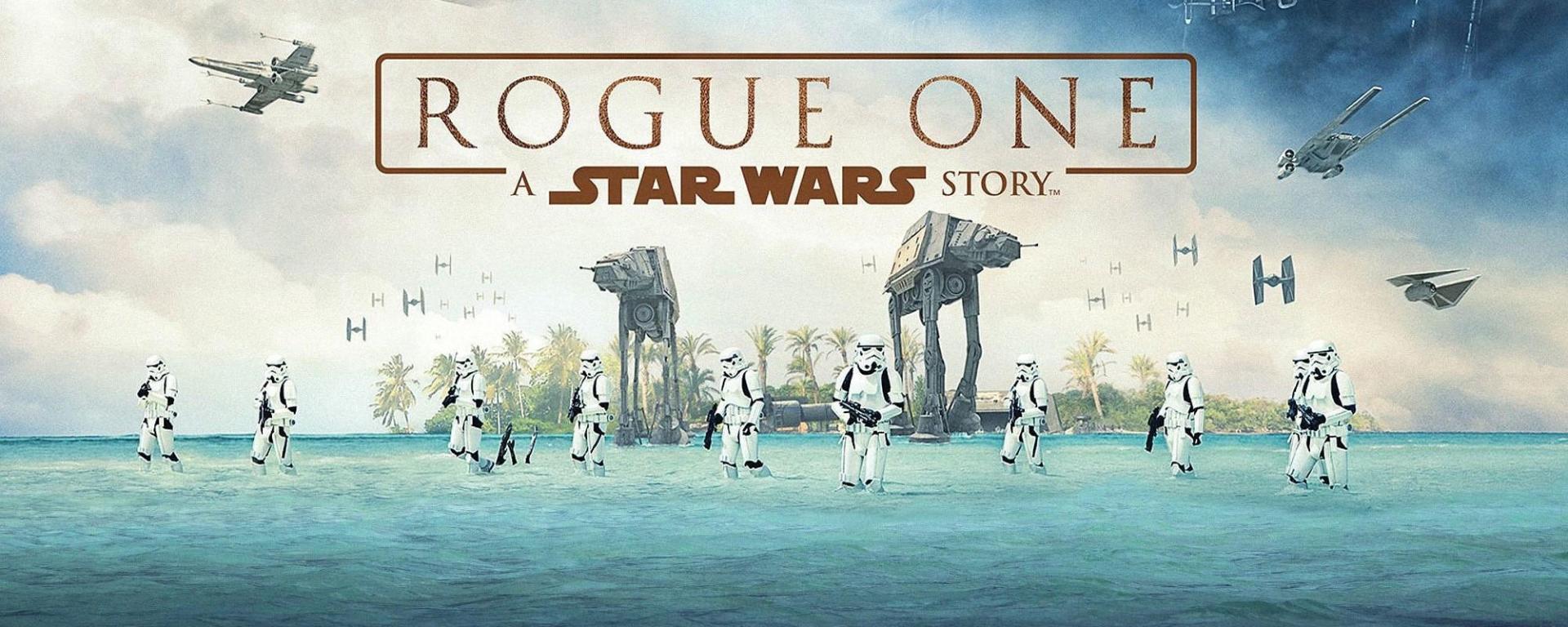
Rogue One: A Star Wars Story was the first spinoff anthology film Lucasfilm produced under the ownership of Disney. It told the story of how the Rebels got their hands on the Death Star plans, alluded to during the opening crawl of A New Hope. The film, I think, has been aging quite well, but it wasn’t without a few rough spots. But now that Andor has come to a conclusion, I can say that Rogue One definitely feels more earned and refined thanks to the story told in that show.
One of the bigger issues against Rogue One prior to Andor was its first act, in that it was very rushed and a bit clunky. We rushed from location to location and were tossed into the middle of events without much context beyond something important is happening now. I’d say the biggest change Andor makes in favour of Rogue One is that it makes the opening so much more fluid and natural, especially the Ring of Kafrene scene near the beginning of the film.

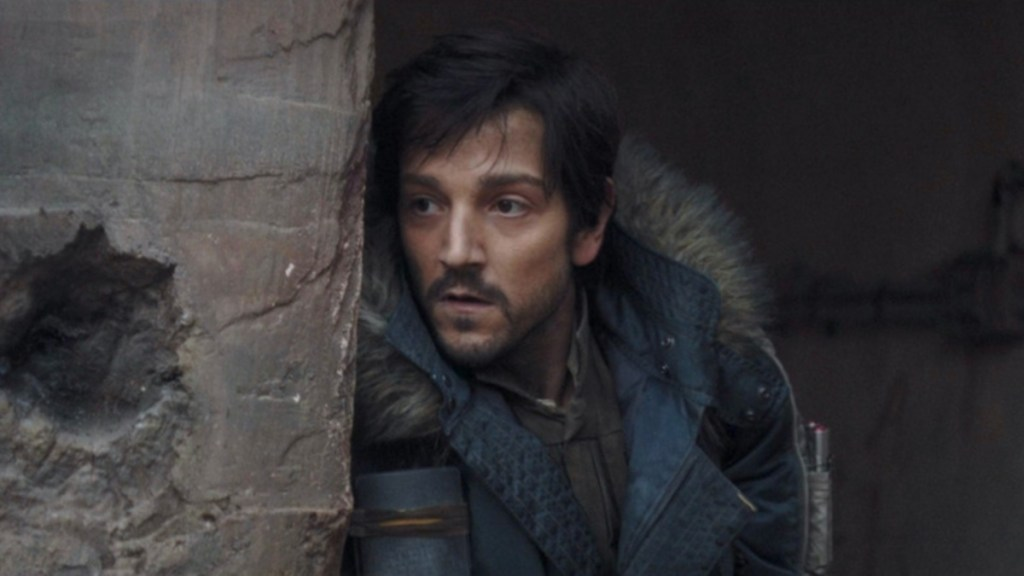
In Rogue One, Cassian Andor meets up with one of his contacts in Saw Gerrera’s partisan group and is informed about the Empire’s plans for the Death Star. How his contact came about this information and what it means to the Empire is ultimately irrelevant, at least in the eyes of the filmmakers. We, the audience, know that the Death Star equals trouble, and we just roll with it. Thanks to the final arc of Andor though, we can watch this scene with a new appreciation.
In Andor‘s final arc, Luthen learns of the Death Star from Lonni, his ISB mole, but the Rebels doubt the validity of both Luthen as an asset at this point in the timeline, as well as his source. But characters like Cassian and Mon Mothma know that if there’s even a chance to confirm this information, which includes the keywords “Jedha, Kyber, Erso”, that Luthen’s final contribution to the Rebellion (and the galaxy) will be validated. In the original perspective of this scene, we never really know or care why Cassian puts emphasis on the name Galen when asking his contact about the name of the scientist providing this information, but the urgency of confirming Galen Erso is something that feels far more critical and desperate now, as if he’s on the cusp of a great revelation. Likewise, him learning that the Imperial super weapon that Luthen brought forth is in fact, a planet killer, only heightens that sense of doom and urgency. Everything feels more important and high stakes because of the narrative stakes cooked into the narrative thanks to Andor. It makes Cassian’s murder of Tivik that much more drastic and tragic, as Cassian knows he has to get out of there with the confirmation and knows that the informant would only slow him down. It’s cold and callous, but we know the kind of rebel Andor is now.
This is definitely the scene that feels the most remedied thanks to Andor, but there are narrative and mathematical beats that now hit harder. Chief among them is when Cassian tells Jyn about all the terrible things he and the other rebels have done in the name of this rebellion. Before, we didn’t have context, and we had to take things at face value, but we have a greater understanding of what those words mean now, both on a personal level for Cassian as well as the rebellion as a whole. The heroes of this story have done some terrible and shady things in the name of fighting the Empire, and we know how dirty a lot of their hands are no,w thanks to Andor’s narrative. I think that scene really hits in the context of Mon Montha’s arc, who was sheltered from the war until her escape from Corsucant, and she witnessed Cassian murder her driver right in front of her, bringing the horrors of the war she’s funding into her life.

There’s a few things in Rogue One that you either have to accept exist because it came first, or because there’s some character beats that may just require interpretation, as opposed to taking it at face value. That includes Cassian admitting he’s never been in a cage while captured in Jedha at Saw’s hideout. We know this to be false due to season one’s excellent prison arc, so we can take this as perhaps Cassian just landing, or the writers didn’t want to be bound by previous works. I choose the former. Cassian also naturally never references or hints at his relationship with Bix, which is never really a big issue for Rogue One, but the ending of Andor really makes Cassian’s ultimate fate that much more tragic. I liked how she got to watch the sunrise while Andor ends his arc on a metaphorical sunset.
Rogue One also isn’t without its faults; its opening twenty minutes or so fly by at lightspeed, with us going from Kafrene to Jyn’s rescue in particular feeling rushed and choppy, and it’s a film that’s ultimately light on characterization, which, depending on your tolerance and expectations, could be a fault or a non-issue. But it’s a gorgeously shot film (cinematography from Dune’s Greig Fraser) with some great action scenes and some genuine stakes. The final act is wildly entertaining, with arguably the best space dog fight in the franchise to date, and the movie just feels ballsy and not safe when see that all of the heroes in the film end up dying in order to get the Death Star plans to the Rebels. When I first saw it, I fully expected at least one of them to make it out, but nope. This, in combination with the more war-story approach to the film, where assassinations and transmission interceptions are part of rebel life, helps ground Rogue One into a more mature film. When coupled with two seasons of Andor, which do the heavy lifting for the characterization of both the show’s lead and the world he lives in, Rogue One ends up feeling more complete and realized as a result. Thanks to time, the context of the state of the franchise in general, and Andor’s backstory, Rogue One is a film that may not be perfect, but is aging like fine wine and feels like an earned finale for the Andor show.

