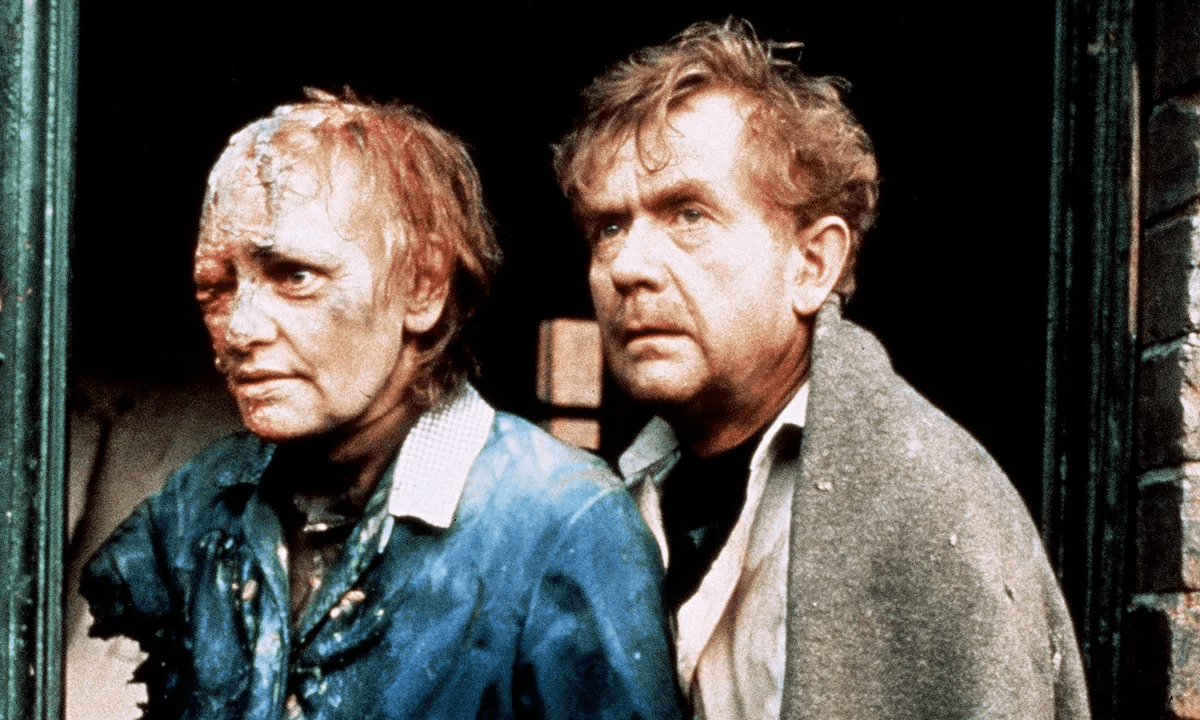
We all have our projects that we are most excited to see return to the screen. For some of us, it’s the next superhero movie. For others, it is the next independent horror film. For me, it’s the upcoming remake of Threads.
The makers of Adolescence, the stirring Netflix series about broken youth and radicalization, have announced their plans to remake the 1984 BBC film, which remains to this day one of the most harrowing depictions of nuclear holocaust ever put to screen. With the advancements of modern science, the more open format of Netflix, and renewed interest in the topic, the remake, which will now be a multi-episode streaming series, has the potential to shake audiences the same way the original did when it was first aired. It wasn’t always easy to get films like this made.
Fear of nuclear armageddon was a major anxiety during the Cold War, and still reverberates today. For the first time in human history, we truly could wipe ourselves out, a realization that sparked deep conversations, deep divides, and deep works of art. When dealing with nuclear war in art, it perhaps had no greater impact than on the screen, carrying those anxieties into theaters, and in some cases, the viewers’ own homes. Below is a list of 10 such entries, in no particular order, that remain some of the most effective and iconic ever made.
Dr. Strangelove
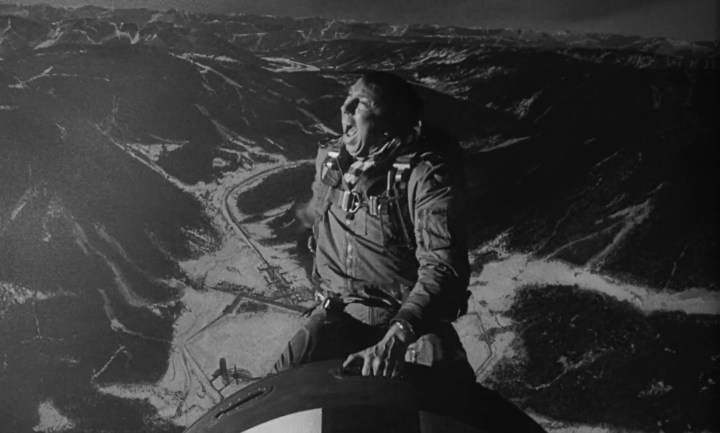
Only Stanley Kubrick could take the idea of global nuclear war and turn it into a comedy. Still, this hard-hitting satire remains one of the director’s most well-known works. The plot is that a rogue general orders a nuclear attack against Russia due to insecurities about his own impotency. You heard that right. What follows is a scramble by the top brass to try and keep the attack from succeeding and plunging the world into a fiery end, but their petty squabbles leave their efforts increasingly useless, and push the world ever closer to the end. Dr. Strangelove features some of cinema’s most iconic images, nail-biting satire, and stellar performances by a cast of heavyweights, including George C. Scott and Peter Sellers. Strangelove is perhaps the most iconic film on this list, and one of the most memorable films of the Cold War era.
Fail Safe
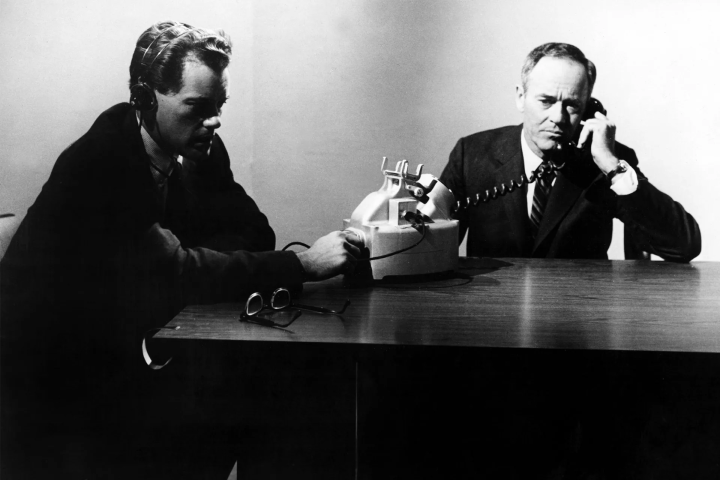
Released shortly after Dr. Strangelove, Fail Safe is a straight-faced version of Strangelove where a computer error sends a squadron of bomber planes towards their targets in Russia. The bombers are so focused on their mission that the efforts to call them back by Washington go unheeded, forcing both the United States and the Soviet Union to try and collaborate and stop the attack from succeeding. As their options grow limited, the President is forced to make a desperate decision that may be the only way to prevent the end of the world. Fail Safe is a tense and chilling thriller that manages to be entertaining as well as enlightening. Fonda delivers a stellar performance as the President, and the rest of the cast, including a young Dan O’Herlihy, who would later star in the underrated Halloween III: Season of the Witch. Fail Safe is an important film, and after all this time, it remains genuinely haunting.
On the Beach
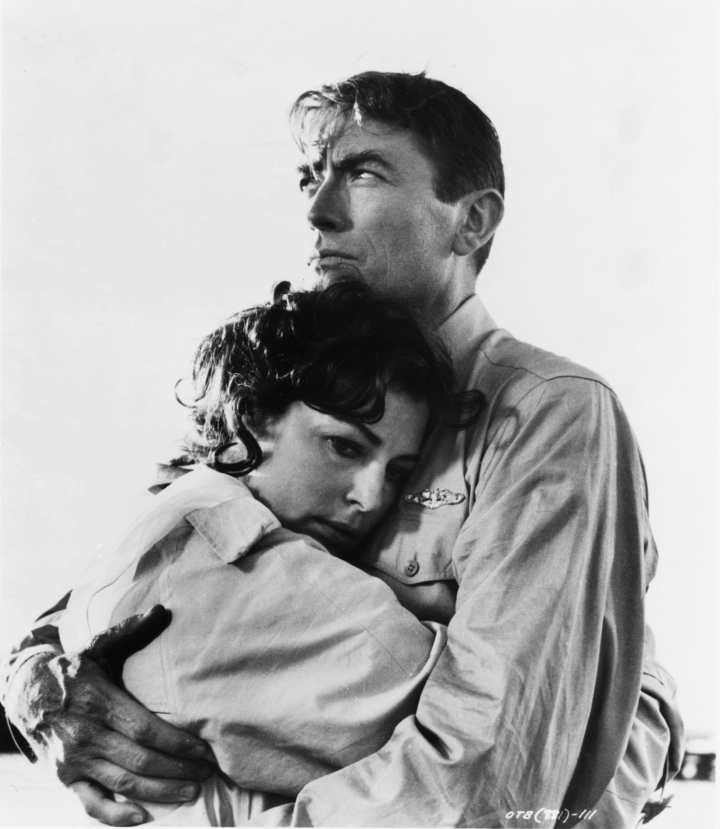
One of the first films dealing with nuclear war, On the Beach, is still one of the bleakest. The film takes place in the aftermath of a global nuclear holocaust, where a group of survivors in Melbourne, Australia, are trying to maintain a sense of normalcy, even as they’re faced with the imminent arrival of nuclear fallout that will surely doom them all. The film’s director, Stanley Kramer, focused heavily on social commentary in his films, which include classics like Inherit the Wind and Guess Who’s Coming to Dinner. Gregory Peck, who would shortly win an Oscar for his performance as Atticus Finch in To Kill a Mockingbird, plays a submarine captain trying to be hopeful, but also realistic about their chances. Anthony Perkins, Ava Gardner and Fred Astaire round out a stellar cast in this bleak film.
Countdown to Looking Glass

A lot of the best films centered around nuclear war came out on television in the 1980s. Countdown to Looking Glass may not be the most iconic of these, but it is among the most unique. This is an early example of found footage, where the conflict is told only through news broadcasts and interviews, starting with a relatively normal report and slowly escalating as the situation gets out of control. Countdown does a superb job building tension, as the anchors grow increasingly stressed and exhausted as they report the rapidly deteriorating story to the outside world. A highlight of the cast is a young Scott Glenn, who delivers some of the film’s best acting as a reporter on the ground in the combat zone. Countdown to Looking Glass has been overshadowed by many more iconic films, but it earns its spot as one of the most effective and grounded films in the genre.
Dead Man’s Letters
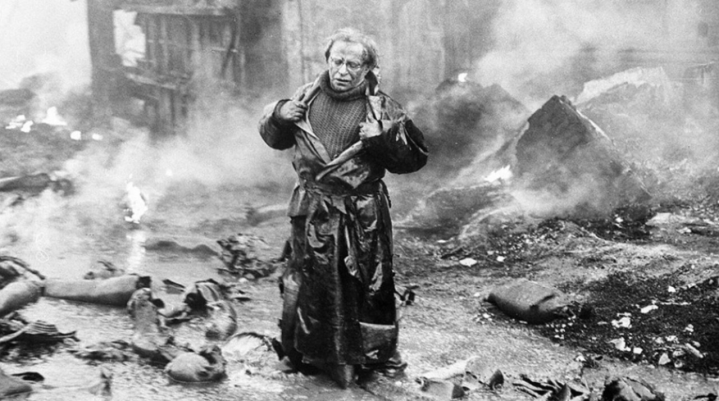
Dead Man’s Letters doesn’t let us see a war, and doesn’t let us see the world that came before. Instead, we spend time with the survivors trying to eke out a living in the decay that comes after. The main character in the film is a professor and physicist who writes letters to his son, despite knowing he has likely been killed in the attack, trying to find some hope and sense of purpose in this dangerous new world. In this irradiated hell scape, survivors cannot go outside of their underground bunkers for long, and even their protective clothing and gas masks are no guarantee of protection. Dead Man’s Letters feels like decay, not only in how it’s designed but even in the film stock itself. The film is shot on yellowed film stock, which makes the film itself feel like just another piece of rubble in a long-dead world.
Miracle Mile
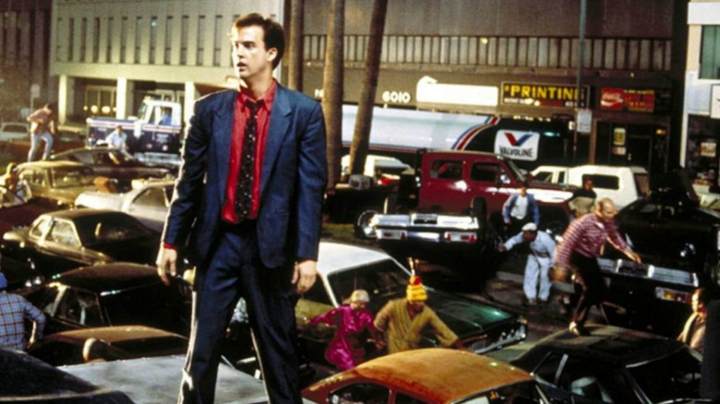
One of the last films in the ’80s cycle of nuclear annihilation films, Miracle Mile doesn’t focus on the war itself or the aftermath, but rather the panic that comes when the missiles start flying. Anthony Edwards (Top Gun) plays a young romantic who, after arriving late to a scheduled date, answers a random call at a random phone booth and learns that in an hour, the superpowers will be launching their missiles. The rest of the film follows our lead characters as they try to come up with a plan and find a place to hide as the launch of the attack grows ever closer. Miracle Mile is a masterpiece of tension and anticipation, and that its characters manage to be so likable and endearing makes the story that much more suspenseful.
When the Wind Blows
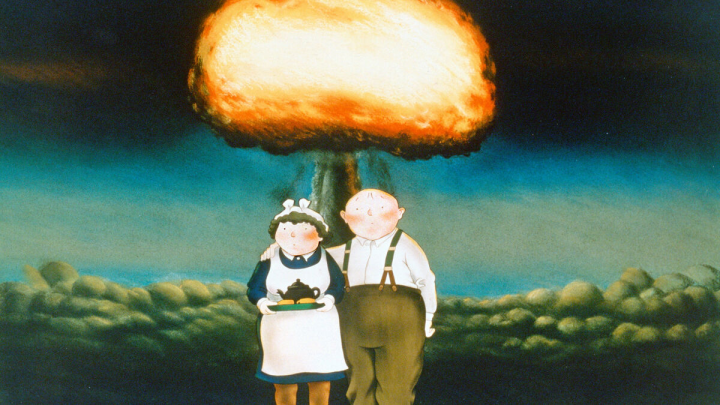
Don’t let the fact that this is an animated film fool you. When the Wind Blows is one of the most emotionally devastating films on the topic of nuclear war. Peggy Ashcroft and John Mills play Hilda and Jim Bloggs, a likable and mild-mannered British couple who came of age during World War II and now live in peaceful semi-retirement in the countryside. After a nuclear war destroys the nearby cities and lethal fallout fills the air, Hilda and Jim are completely unable to grasp the sheer magnitude of what has happened, and are certain that any moment and any day, help will come for them. When the Wind Blows is gorgeously animated, with the characters drawn over live-action miniature environments to create a genuinely unique style. When the Wind Blows is sweet, sentimental, and devastating, and highlights the dangers of blind optimism in the face of catastrophe.
The Day After
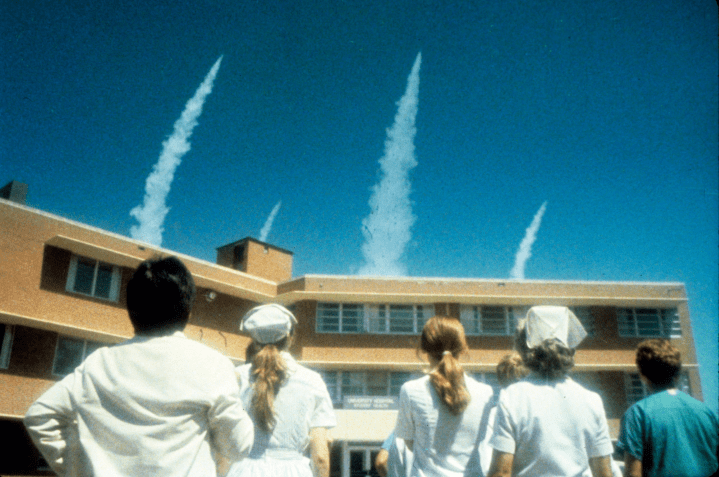
The film that traumatized a generation, The Day After, was a major event when it was released on ABC in 1983. The film follows the citizens of Kansas City and the surrounding areas as their world is shattered by a sudden nuclear attack, and their struggles to survive the ensuing fallout before they reemerge into a dying, broken world. At the time, this was the most unflinching look at the consequences of a nuclear war, and while it may not be as graphic as some of the entries that came after, The Day After still packs quite a punch. Nicholas Meyer (Star Trek II: The Wrath of Khan) crafts what feels like a grand Hollywood Epic despite limited resources. The Day After was a monster hit when it aired, and still ranks as one of the most highly viewed television films of all time. Many who saw it when it first aired still remember its devastating impact today.
Testament

My personal favorite film on the list, Testament, is perhaps the most emotionally devastating film on the topic of nuclear war. The film follows Carol Wetherly (Jane Alexander) and her three children as they try to hold themselves, and each other, together in the aftermath of a nuclear attack. Testament is a film less about sudden devastation and more about the slow decay of social norms. Far from any blast zones, the destruction and the fallout from the outside world is slow and creeping as it comes into their peaceful little town to claim the lives of the young and old alike. Testament does instill itself with themes of hope and perseverance, but doesn’t flinch from despair. With its focus on a single family, many cite this as far more effective than The Day After, and that we grow to care so deeply about the Wetherlys keeps us involved until the very end.
Threads
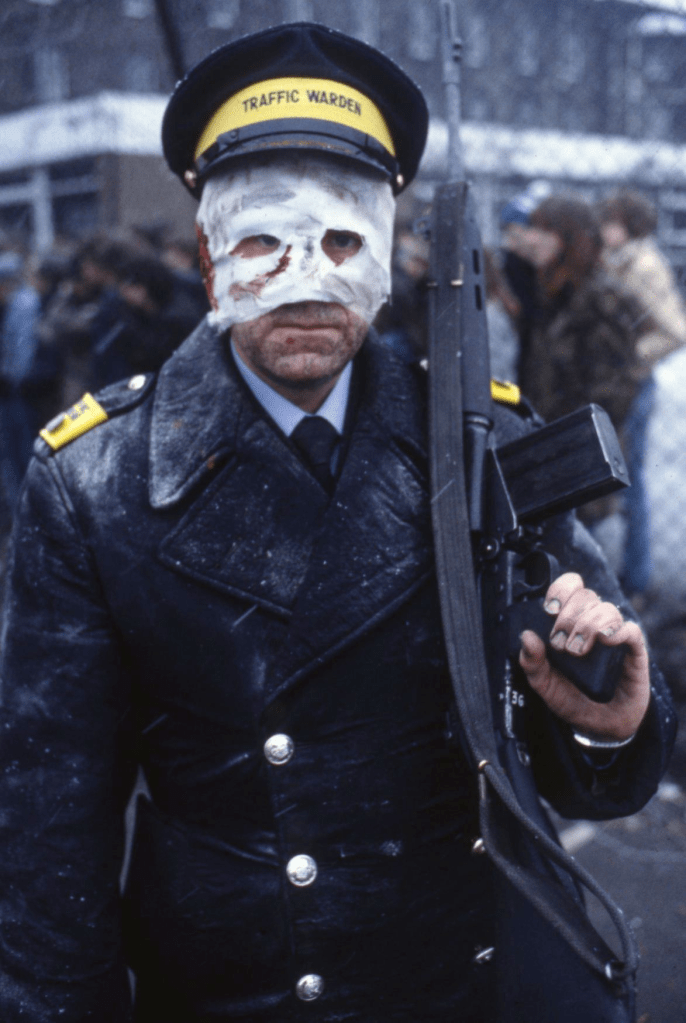
Ah yes. Those familiar with nuclear annihilation films will more often than not cite Threads as the most effective and unflinching in the genre. Threads follows two families in Sheffield: the Becketts and the Kemps, as nuclear fire rains down on their city, and the ever-dwindling cast of characters try to navigate the broken, unforgiving world left behind. Threads is half documentary and half drama, the story broken by narration and facts to explain what is happening before showing us those consequences on real people. This not only adds further context to what we’re seeing, but lends the film a chilling credibility as it continues into the weeks, months, and eventually years after the bombs broke the world. Threads is up close, gritty, ugly, and even forty years later is cited as one of the most provocative and terrifying films ever made.
Closing Thoughts
These ten films show the genre at its most effective, but they are not the only ones out there. Toho’s The Last War, another newscast-style thriller like Special Bulletin, and a political thriller such as By Dawn’s Early Light, all of these films have something to offer not only in how well they are made, but how each offers a unique perspective on dealing with the end. And truth is, despite wanting to make it easier to digest by putting such an idea in film and literature, nuclear war, however remote, is still a threat. These films, though some are stronger than others, all serve the same purpose, not just to deliver solid motion pictures, but to spark a conversation. When it comes to any such threats, you can talk about them, think about them, even plan for them. The last thing you ever want to do is ignore them.


2 thoughts on “In Preparation for the Remake of ‘Threads’ Here’s Our List of Top 10 Nuclear Apocalypse Movies – ScreenHub Entertainment”