It has been several years since the war in Ukraine began. The country is not the same. It is wounded. Streets once filled with people are now empty, save the occasional husk of burned-out military equipment, destroyed in battles that, for the people of Ukraine, are still frighteningly fresh. And yet on some of these burned-out husks are scrawled spray-painted messages. It’s a single, curious word that, for many, may not make a whole lot of sense. The word is “Wolverines”.
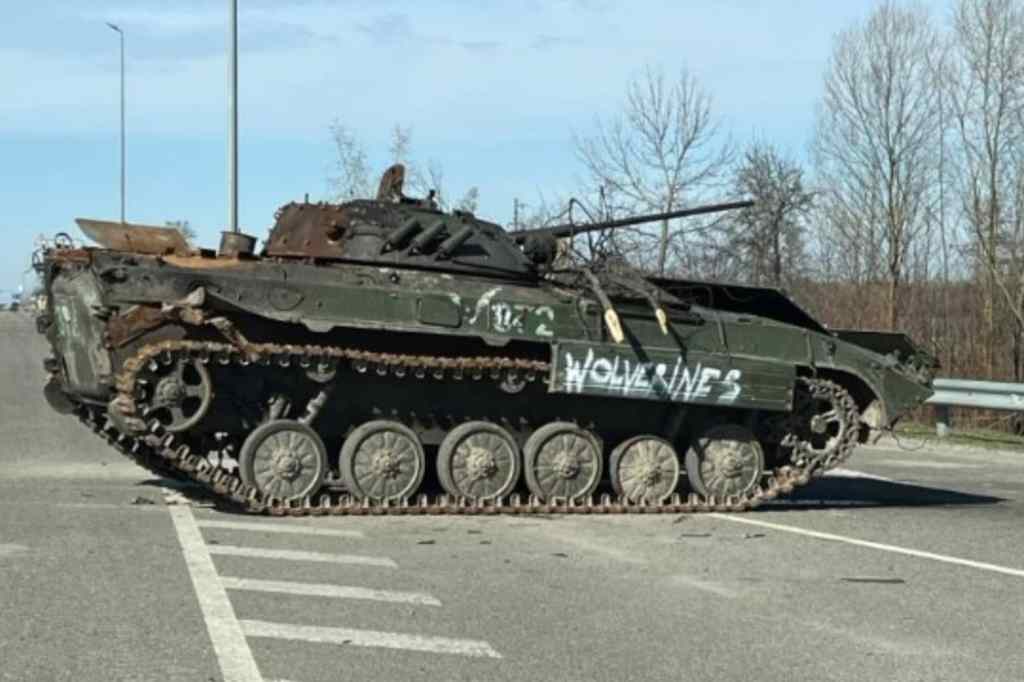
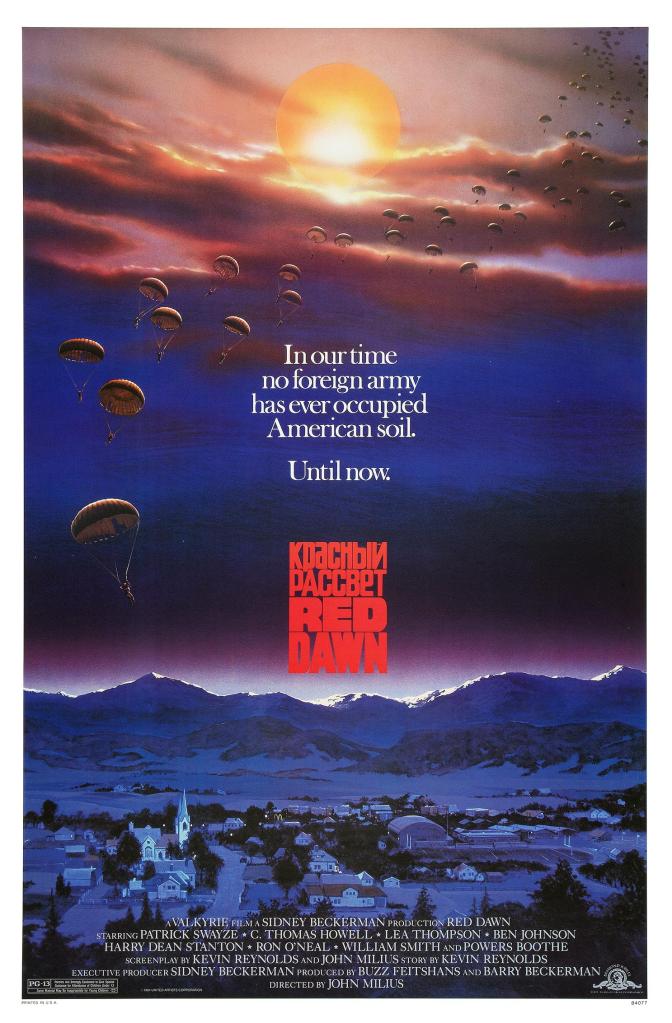
It’s a curious thing to write, isn’t it? And for many, it may seem totally random. For others, however, it harkens back to one of the most unusual, divisive, and yet beloved cult classics to come out of the 1980s, a film where military equipment, burned out by resistance and insurgents, litter the streets. All tagged with the same word in messy spray paint. That film is 1984’s Red Dawn.
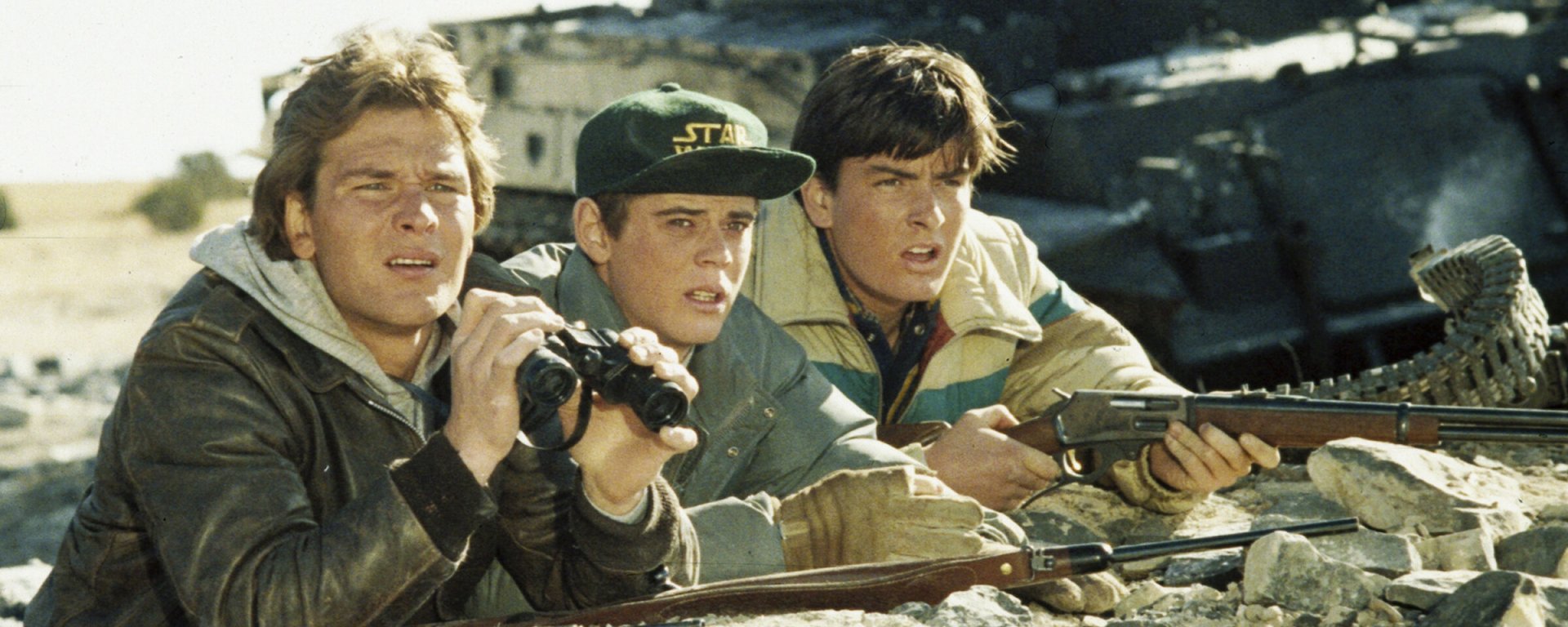
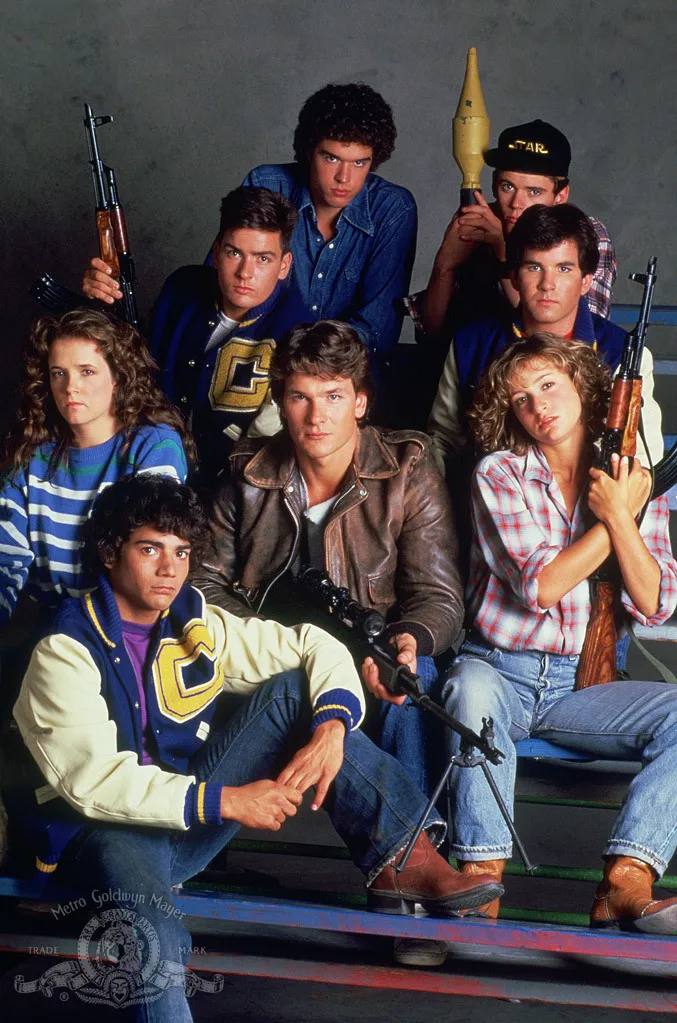
As with any decade, the 1980s had its share of teen acting icons. Actors like Judd Nelson, Molly Ringwald, Andrew McCarthy and many more appeared in numerous teen-marketed classics during the decade, including The Breakfast Club, Ferris Bueller’s Day Off and many others. These actors became known as The Brat Pack, and their films captured what it meant to be a teenager during the hottest years of the Cold War. Red Dawn is also a Brat Pack movie, featuring such talents as Patrick Swayze, C. Thomas Howell, Lea Thompson, Jennifer Grey and Charlie Sheen, all of whom were staples of many of the teen hits of the 80s. But Red Dawn was different. Rather than deal with the kinds of problems high schoolers usually have to contend with, in Red Dawn, the teens have their lives turned upside down when their small Colorado town is invaded by the Soviet Union in the midst of a land invasion of the United States. As the invading force becomes more entrenched in their small town, the teens emerge as a gang of armed rebels who begin engaging in guerrilla warfare against the invaders, dubbing their group the Wolverines after the high school football team.
Despite its name, the Cold War was a hot topic when it came to 80s cinema worldwide, and the United States was no exception. There were a lot of films detailing tensions between the US and the USSR, from patriotic propaganda to more introspective looks at the cost of war. From major franchises like Rocky to bleak nuclear war flicks like The Day After, it seemed you couldn’t turn any direction without being reminded of the conflict, which seemed poised to boil over at any moment. Red Dawn is often cited as one of the most gratuitous movies on the topic. It ranked on a list of the best conservative movies ever made, and some even went so far as to label the film as right-wing propaganda. Director John Milius, being a gun-toting, rugged outdoorsman, didn’t do much to quell such ideas. This is the movie where high schoolers singlehandedly defeat the Soviet Union, right?
Well, not really. While Red Dawn is often remembered as such, the truth is it is a much more complicated film about the exhausting life of an insurgent. Whenever any country invades and occupies another, there is always dissent, and sometimes this dissent turns violent. We’ve all seen stories set in the Middle East of soldiers checking for insurgents in numerous towns and villages, and the booby-trapped jungles of Vietnam, where natives would employ tactics as terrifying as they were brutal. When we think of insurgents, we don’t typically think of a high school quarterback or a student body president in a Colorado town. But that’s what Red Dawn is about. Truth is, the identity of the invading army is almost incidental to the movie’s real story, which is taking what seems to be a typical group of American high schoolers and asking what it would take to turn them into armed insurgents.
Despite its reputation, Red Dawn doesn’t really bog itself down in patriotic rhetoric or symbols. There is never a scene where the characters talk about how great the United States is or how evil the Soviets are. Symbols like the American flag are hardly seen, and even then, such symbols are not really the focus of the film. Even the motivations of the Wolverines have nothing to do with any sense of patriotism or nationalistic duty. Instead, their losses and their insurgency are far more personal. The teens are portrayed not as invincible, but rather scared, exhausted and starving. They initially try to stay hidden and wait out the conflict by camping out in the surrounding wilderness. They only fight back initially in order to keep themselves from being discovered. It’s only after they learn, and sometimes witness, that their families have been killed that they decide to fight back. It’s for these losses, rather than country, that spur them to finally take up arms, launching a series of blitz attacks that throw the invaders into confusion and disarray. But the symbol they mark their victories with is not a national one. The nature of being a Wolverine is something personal to them. It’s almost as if the invaders are being told that this isn’t about their countries. Like everything, it’s all personal.
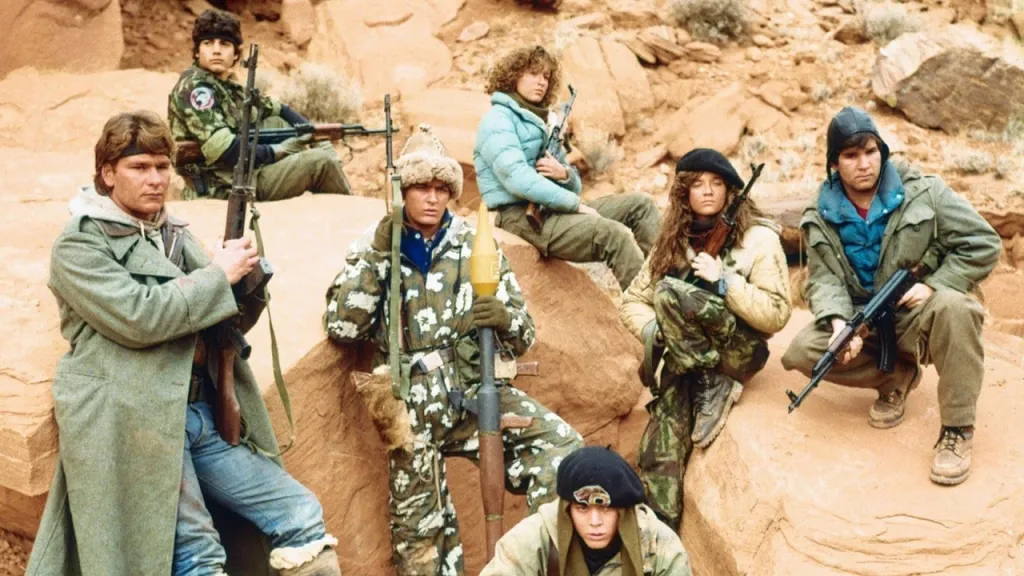
The film does have its share of crowd-pleasing moments. There is no denying that. Looking at early clips of when the Wolverines begin their insurgency can certainly give the impression But on the whole, Red Dawn is a lot more somber than most remember, and it doesn’t portray its teens as invulnerable or glamorous. Rather, the characters lament how they don’t want this, how they want their normal lives back, and talk about starvation, grief, depression, and paranoia. At the end of the day, they are still children. At one point in the movie, they even meet an American soldier, an Air Force Colonel, who is shot down near their town. Despite helping the Wolverines learn new tactics that make them more effective fighters, he still tells them they can quit and tells them they deserve to grow old. At one point, when one of the Wolverines asks if they are doing right, the Colonel doesn’t have an answer. Propaganda pieces deal with the clear-cut certainty of good versus evil. Red Dawn blurs the lines. At times, the characters are pushed to do things that are dark and inhuman, and the film doesn’t flinch away from how shattering it is for the heroes. Rather than being Rambo with teenagers, Red Dawn instead feels more like the original First Blood blended with Lord of the Flies. Despite early wins, the latter half of the movie feels inevitable. An atmosphere of impending doom takes hold as the Wolverines start to die one by one.
So why don’t the Wolverines run? They try to run. Several times, they try to escape the occupied zone, but the battle lines are so stable and active that attempting to cross them into safe territory is a death trap, resulting in them losing several of their number on such attempts. They do instigate several battles, such as liberating a political prisoner camp or bombing a propaganda center, but they also find themselves under attack, lured out with food or tracked to their wilderness hideout by a team of crack commandos. These aren’t invincible warriors, but scared, exhausted kids on the run and fighting back largely because they have no choice but to do so. Rather than the cheesy adventure most remember it as, Red Dawn instead comes across as a somber, sometimes reflective look at how fighting back against an invading force can sometimes be necessary, but it’s never glamorous, and more often than not, it’s a trap where you are forced to fight through no choice of your own. When I saw Red Dawn, I missed the cheesy adventure everyone seemed to remember it as, and instead just saw a story about kids on the run, one of the reasons this movie always appealed to me.
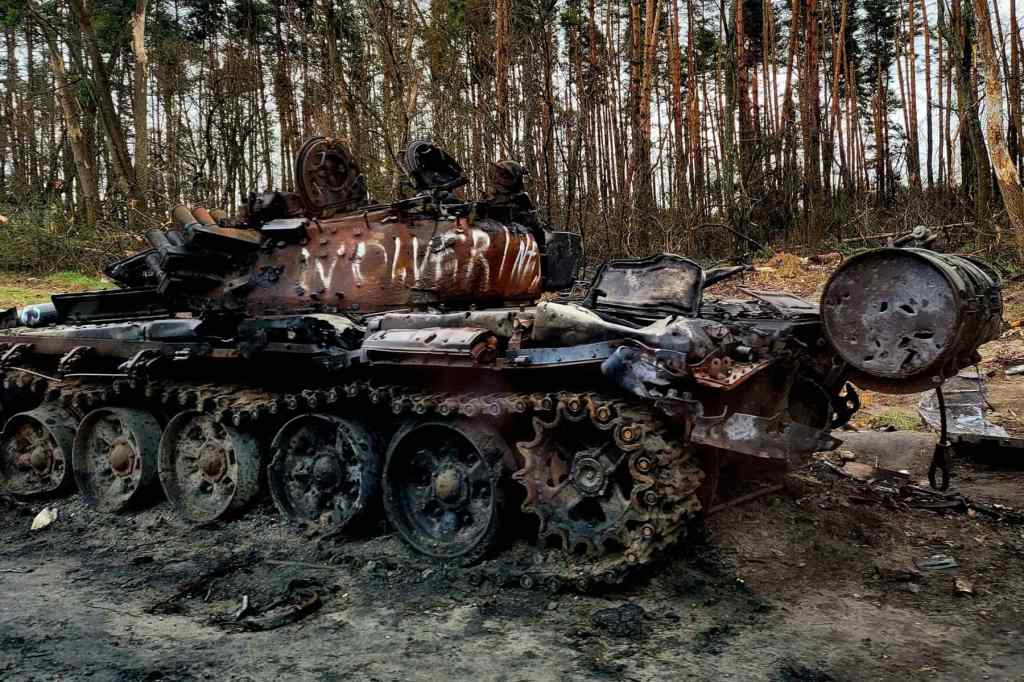
I think it’s these reasons that the film has become something of cultural shorthand for the people of Ukraine. To me, this was never a film about patriotism, but resistance. Stories of resistance can appeal to anyone from anywhere. Images of broken equipment adorned with the Wolverines name look straight out of the movie, and whether it was done in jest, in earnest, or in some combination of the two, it is clear that for some, Red Dawn has become a symbol of insurgency and rebellion. Red Dawn doesn’t let us see the end of the war. The closest we get is seeing the aftermath, where a monument has been erected in honor of the falling guerillas. However, one of the characters laments that while she visits this place, not many others do. When we think of war, we often think of soldiers. Red Dawn documents something that, for many in Ukraine, has become reality. It’s about regular people and their struggles to fight back and resist during wartime. For many in Ukraine, this is not fiction. It’s life. The spray-painted emblem was also a signature to remind the invaders that the people are still fighting. As with the teenagers in the movie, it speaks loud and clear. We’re still here.

