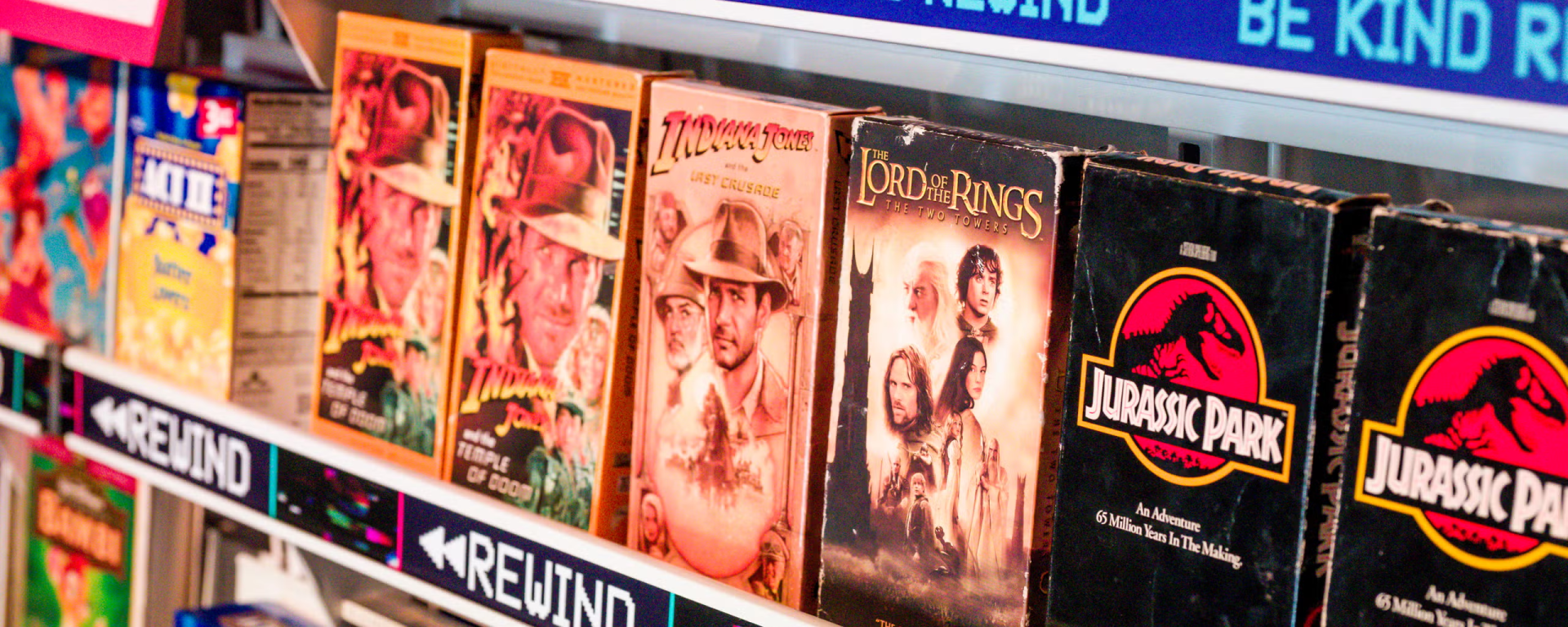
Editor’s note: This article was written prior to the news that Sony would be discontinuing physical media in January 2028. Rather than scrap the article, we elected to publish it, as now more than ever it seems evident that physical media should ensure, in some capacity, for the benefit of the consumer. So in the spirit of preservation, here’s the article as intended, with a sister article coming soon.
In the 1984 classic Ghostbusters, Janine, played by Annie Potts, talks to Egon Spangler about her love of reading, to which Spangler, played by the late Harold Ramis, says, ‘Print is dead.’ Over forty years later, and we’re still having that discussion, although now the conversation has shifted away from literature and onto the supposed death of physical media for arts like film and television. Reports that, as it turns out, may have been greatly exaggerated.
To understand physical media, one has to understand just what the purpose of physical media is. Film and television, when they first appeared, were not owned in private homes. If you wanted to see a classic movie, you had to catch it at a screening. Want to see good television? Better tune in at the right time. In the days before streaming, cable and satellite were the only ways to catch good television, and movies were only available at the movies. That all changed when ways were discovered to package film and television for private ownership and home viewing. The era of taped media like VHS and Betamax was a revolution. Disc media reflected a further evolution of this, taking film and television out of tapes and onto discs for easier storage.
When films first appeared, they were thought of as a novelty, and that’s how they were treated. The idea of going back and revisiting a film that had already had its showcase in cinemas was generally viewed as futile. And yet physical media showed that films had longevity, even when you didn’t expect it. Of course, people would always go back and revisit the old classics, but also film and television that may have struggled during their initial release found new life on home video. Films that bombed at theaters would become regular staples in homes, spreading through word of mouth and living beyond failed theatrical exhibitions. Physical media in many ways made classics out of films that, without it, surely would have been forgotten.
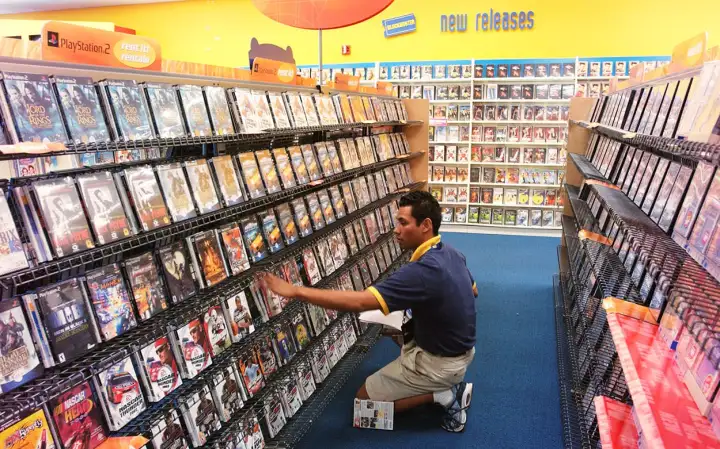
I came of age in a time when physical media was at its peak. From the 80s and into the 2000s, it was everywhere. Venues like Blockbuster were popular places to go for folks looking to rent movies for the weekend. Electronics stores had aisle after aisle devoted to VHS tapes and DVDs. You a regular patron? Even better. You might just get a rapport with members of the staff who may have some solid recommendations for you. The classic sitcom Seinfeld even had an entire episode devoted to this idea where Elaine has a falling out with a video store employee after choosing a movie from one of the other staff members’ preferred films. And yeah, there is something about that experience I still sorely miss. With the advent of new forms of media distribution, things changed. Blockbuster was perhaps the place to go for movies, and yet when a little company called Netflix came along and promised to let you stream movies from home, Blockbuster refused to get on board. That’s why you don’t really see them around anymore.
Many may not remember this, but Netflix originally was an alternative to Blockbuster where you could order rentals and have them sent to your home, sparing you from having to go out. This convenience became the rising company’s greatest asset, and renting movies via subscription rather than individual rental quickly became their greatest asset. And one by one, Blockbusters all over the country started closing. To many, this was a sign that physical media was over. And who wouldn’t assume that? Netflix ended up making so much bank from their services that they started producing their own content you could only see on their venues, producing great works of cinema and television that have gone on to become pop culture icons. That’s something that even in its heyday, Blockbuster never was able to accomplish. Video stores as we remember them are a thing of the past, now mostly confined to online spaces. You want disc media now? While you can still find physical media in various online shops and with their own sections in various retailers like Best Buy, Target and Walmart, the options are no longer as diverse as they once were. Compare that to a free streaming service like Tubi, which has a vast library of classics known and unknown. It seems to most that subscription-based media consumption is the way to go.
Even theaters, long held as the most precious venue for cinematic arts, are struggling, unable to make the numbers they once did with even established franchises and characters struggling to make ends meet. Ask anyone, and they’ll all tell you the same thing. Physical media is dead.
Those reports, as it turns out, are greatly exaggerated. Remember when Ramis said print was dead? Forty-plus years later, and books are still being printed and doing huge numbers. And truth is, it’s the same with physical media. For a while, many DVDs and Blu-rays were mass-produced with little effort when it came to restoration and upgrading. I for one remember a little movie called Tremors, a beloved cult classic that, for whatever reason, the studios just didn’t put much effort into. For Tremors‘ Blu-ray release, all they did was scan the DVD image, not even bothering to seek out a new print. These cheap mass-produced copies, in effect, cheapened the films they held. Low-effort packaging means low-effort presentation, and so a lot of films were just not given a chance by audiences, because the companies that produced them didn’t either.

So in the age of streaming, physical media has had to evolve, occupying a more niche market than it used to, but at the same time seeing a staggering increase in quality. Labels like say Shout Factory and Arrow Video have taken full advantage of this, crafting excellent packages for classic films and television with fresh and exclusive content to further entice not only old fans but new viewers as well. And the thing of it is, these companies are not struggling. Quite the contrary, they are thriving. Despite the convenience of streaming, physicals media still has advantages. 4kUHD recorded directly onto a disc is still the highest quality image you can get for home viewing, and servers for streaming services are still catching up. While streaming can take time to load, and won’t work without a solid connection, you need not worry about that when you own a disc.
But above all else, what makes physical media so great is that it is truly something you own. When it comes to a subscription service, titles come and go with regularity, and a movie you may want to watch might change houses after a week. Cable television originally had you pay one bill for a variety of channels. With streaming, every channel means its own bill, something that doesn’t appeal to a lot of consumers who, despite convenience, are feeling the pinch. When you buy a copy, it is yours for viewing whenever you wish, even if your internet connection goes caput. I for one thought physical media would die with the advent of streaming, and yet it marches on. Its even having something of a renaissance.
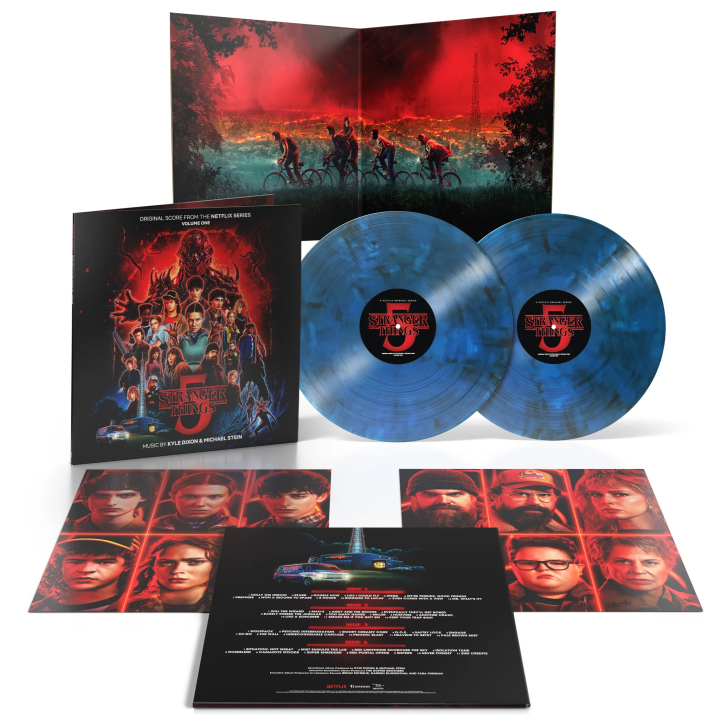
Vinyl records were a thing of the past in my youth, taken over by CDs, and then by iPods and so on. And yet vinyl is now being freshly pressed and selling well, because consumers find the tactile feel appealing. And that’s not the only thing. While nostalgia media is nothing new, in this day and age it has introduced newer audiences to the technologies people of my generation grew up on, and now retro game consoles like the Game Boy and the Nintendo 64 are themselves starting to gain higher esteem. Even those bulky computers we populated our home offices with are starting to make a comeback with techies working on restoring classic computers to working order. And yes, physical media is also gaining traction among younger folks who, like the generation before, find the ownership of a story to be empowering. When you buy it, it’s yours, and that tape or disc can trade hands from one person to the next across many years, promising the same experience from when it was first played.
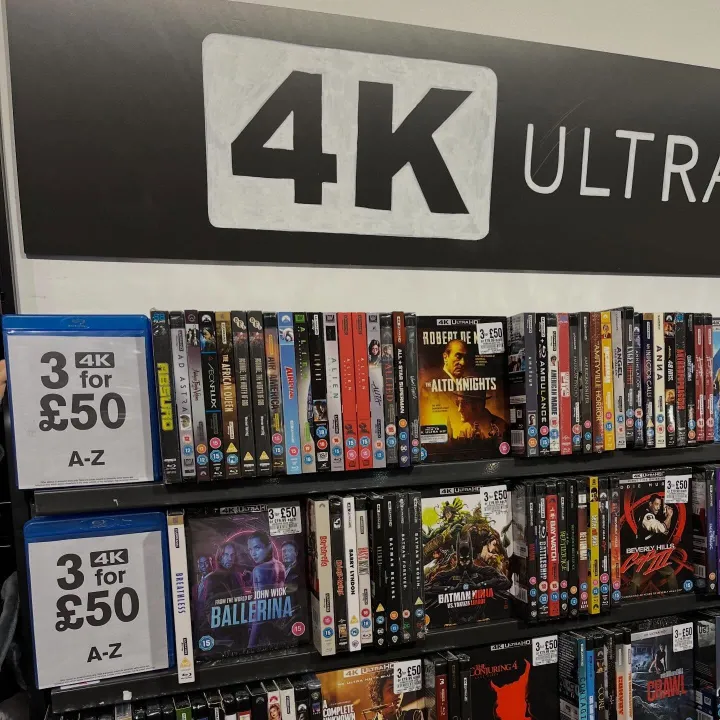
It seems as Spangler’s diagnosis on print was premature, so too is the case with physical media. Rather than going extinct, it seems the most likely possibility is that physical media will evolve, with new delivery devices for stories taking shape and gaining popularity, but also the old classic formats gaining esteem among viewers of film and television. Even though VHS tapes are no longer mass produced, you can still get custom orders of modern movies printed onto old fashioned magnetic tape. Like vinyl, it’s making a comeback, and now there are many options people cam choose from that best suit their needs. DVD and Blu Ray were churned out in ways that 4K is not, but 4k is making up for it with high-quality packages that streaming has yet to match. It seems that despite the gloom and doom, physical media is here to stay. So friends, keep your libraries full, and continue to cruise stores for all the classic titles we love. You can still take them home, and I suspect it will always be that way.


One thought on “Despite Claims, Physical Media Endures – ScreenHub Entertainment”