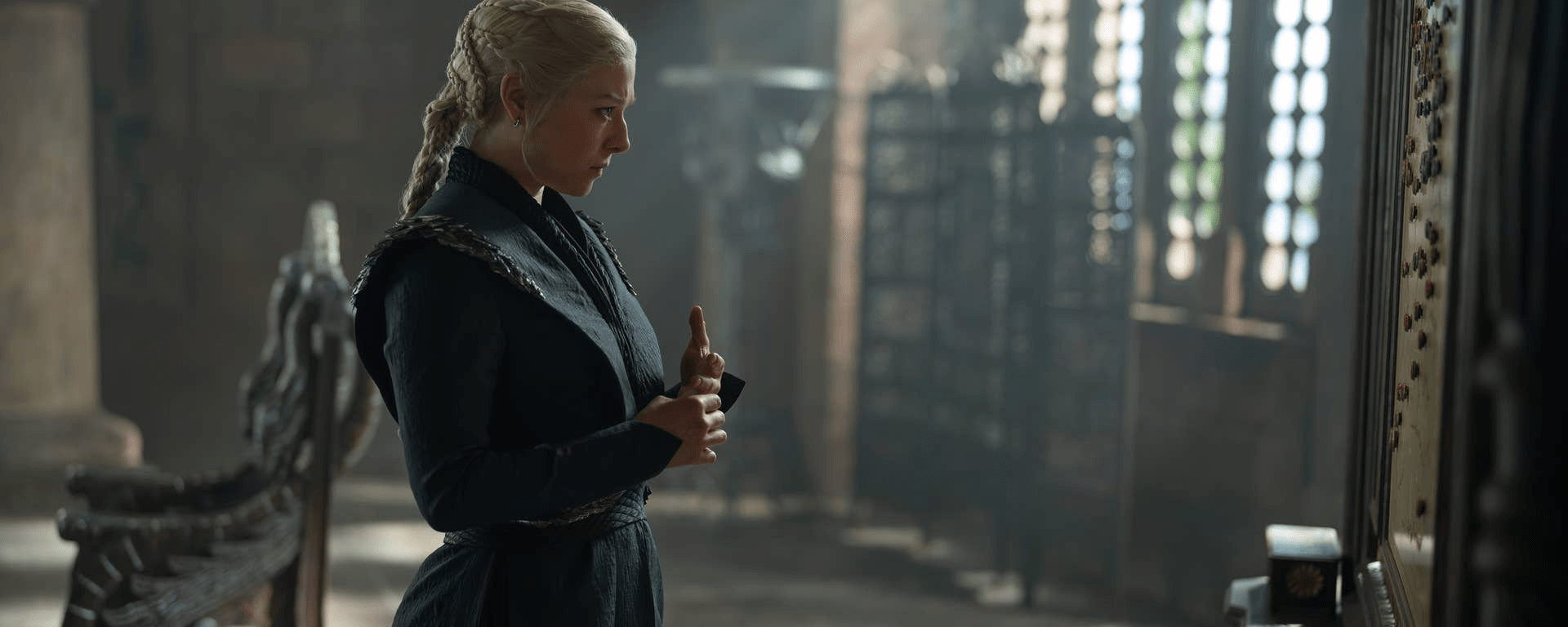
With the release of the fourth episode of House of the Dragon’s third season, we’ve officially crossed the halfway mark in this story. While the momentum may have slowed relative to the events in the preceding three episodes, a lot of pieces are moving into place for future episodes and character moments to happen.
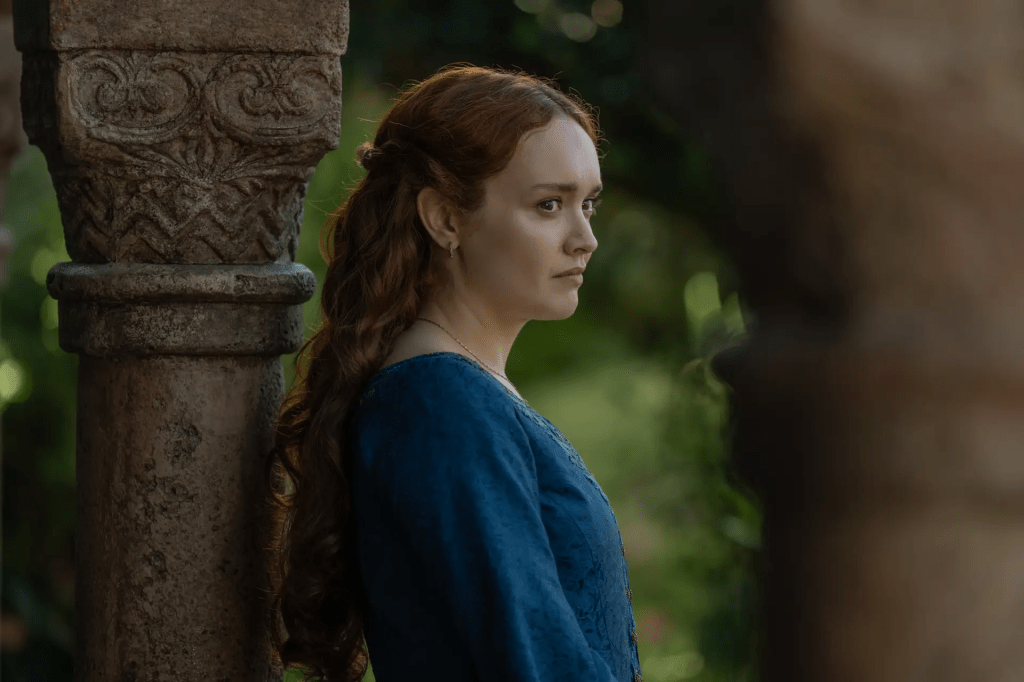
While the third season is definitely a vast improvement over the second season, one area where the show continues to struggle is with Alicent. Considering all the changes they’ve made to her character, and having seen her former best friend behead her father, Alicent kind of just feels like she’s there, passively keeping up with the events around her. There’s no resentment, plotting, or anything of note happening with her character. She’s a captive, but given privileges and comforts, and even seems to be on somewhat good terms with Rhaenyra. Let’s not forget that she was very okay with the idea of Rhaenyra killing both Aegon and Aemond not that long ago, for the sake of the realm. I wish Alicent had more to grapple with, but she’s kind of just there. She does strongly imply Helaena is pregnant, which would be Maelor, so the “it’s too early” line she mentioned a few episodes back was indeed likely referring to this and everything that comes with that as a result. In the book, Maelor is already born at this point and is on the road in hiding, much like Aegon is, so I wonder if they’re not changing some sequencing of events for Helaena here (trying to keep it vague for those who haven’t read the book).
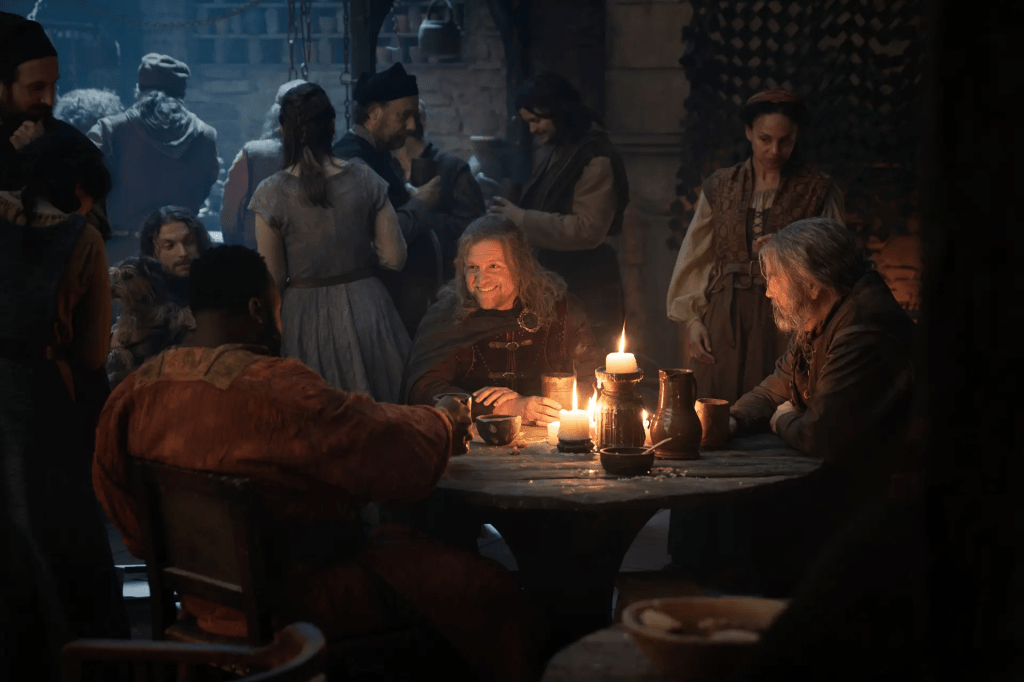
Rhaenyra, on the other hand, continues to make all the wrong calls and draws the ire of those around her. Corlys has basically abandoned his duties as Hand in favour of hunting pirates along the mainland, entrusting his duties to Alyn, who suggests maybe King’s Landing should look into getting some cats for their rat problem. No duh. She more or less confines Ulf to “castle arrest”, prohibiting him from frequenting his favourite tavern for fear of being assassinated. And, fair, she has a point, but she did it without any compassion or sympathy, considering Ulf is common-born and expects these creature comforts. He tried, and failed, to petition his fellow taverners for some pardons for minor crimes, something Rhaenyra, of course, denies, but adds to Ulf’s sense of frustration when you factor in he (and Hugh) still hasn’t gotten that castle they were promised. Perhaps with a sense of resentment, he informs Rhaenyra of the graffiti on the walls around Fleabottom, calling her the “Queen of Bastards” and, in a move that felt straight out of Daemon’s playbook in season one, unleashes the goldclocks onto the smallfolk without much in the way of restrictions. This, of course, results in excessive use of power, with many innocents beaten. I’m sure the common folk are loving their new Queen.
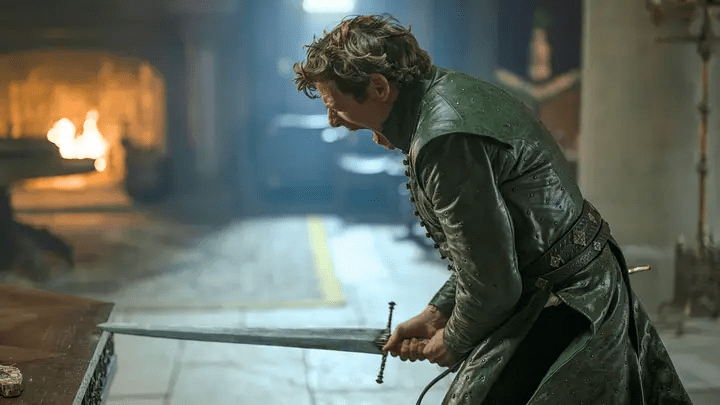
Innocents feeling the wrath of powerful individuals feels like the thematic throughline this week, as over in Tumbleton, the Hightowers have taken up residence and are effectively using the common folk as human shields. But being a meagre little merchant town, there’s no garrison, so the troops need to take up residence with the commoners. That, naturally, results in some vile confrontations between the soldiers and the women, illustrated here by none other than Hugh’s wife Kat, who is staying with her brother. Ormund Hightower appears to be sympathetic at first, punishing the soldier, but by the end, forces Prince Daeron (the real one this time), to murder Kat’s brother for striking one of their men, and thus, the prince himself by extension. Daeron doesn’t want to murder anyone, but is ultimately pressured by his guardian. Ormund reveals, much like the High Septon, that he thinks dragons are an abomination, but is also more than happy to exploit their power and have Tessarion eat the remains of Kat’s brother. Hightower hypocrisy, but James Norton is doing a bang-up job playing a slimy yet clever leader.
Elsewhere, Daemon finally learns that the rider of Sheepstealer is none other than his own daughter Rhaena. It was nice to see a bit of internal conflict with him, as he grappled with the consequences of this act and what it means. He pleads for his daughter to return, but Rhaena has chosen exile, and potentially a side order of madness by way of guilt, opting to stay with her newfound dragon. Daemon also makes a choice and elects to betray Rhaenyra, presenting the charred decapitated head of a sheepherder as the rider of Sheepstealer. While Rhaenyra buys the ruse, she’s furious she wasn’t able to exact her own brand of vengeance. Mysaria, on the other hand, doesn’t buy that the presented head was the real rider and lets him know as much.
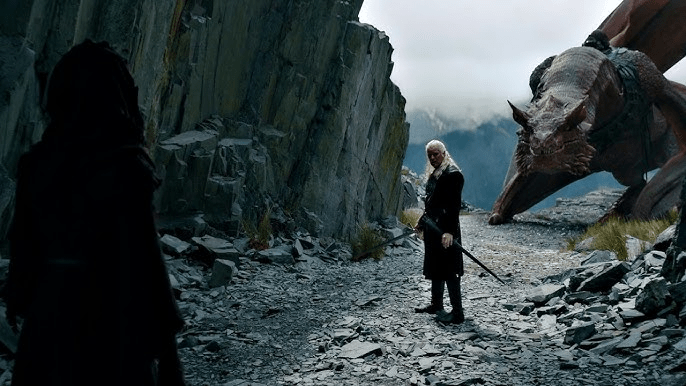
And wrapping up the core stories is Aegon and Larys, who find themselves at Rook’s Rest, only to be shovelling human waste to maybe get food in return. Aegon is convinced that Sunfyre is still alive, only barely, so we can only assume that Aegon will exact horrible revenge on those who forced him to kiss escrament-covered boots or die. No pun intended, but his story does feel a bit meandering at the moment; I feel we could’ve cut him from a few episodes and caught up with him in Rook’s Rest, muttering about his dragon being alive to catch us up. Considering we haven’t seen Aemond in two episodes now, I think allocation of screentime here could’ve been adjusted.
But nonetheless, another solid episode in this third season and one that moves the pieces across the chessboard in some subtle and not-so-subtle ways for things to come next. Stay tuned for next weeks’ review!

